News

News

Screw Compressor Technology Upgrades Drive Industrial Efficiency Gains

2026-06-22 0 Leave me a message

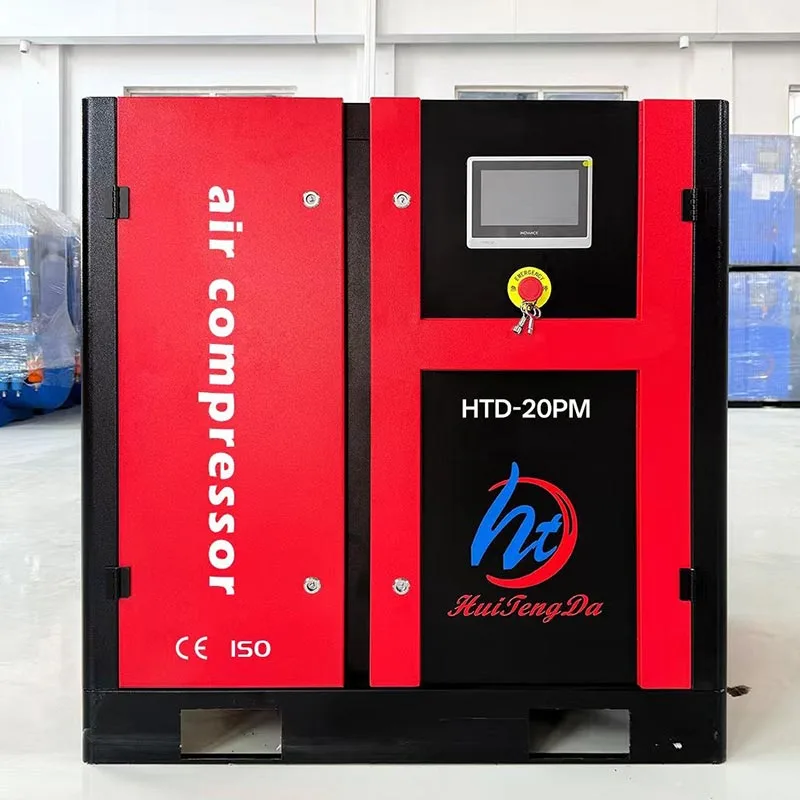
Recent advances in screw compressor technology are driving improvements in energy efficiency, operational reliability, and system intelligence across industrial applications. Developments in rotor profile design, variable-speed control, materials, sensor technology, and integrated compressor systems are helping manufacturers address the growing demand for more efficient and reliable compressed air solutions.

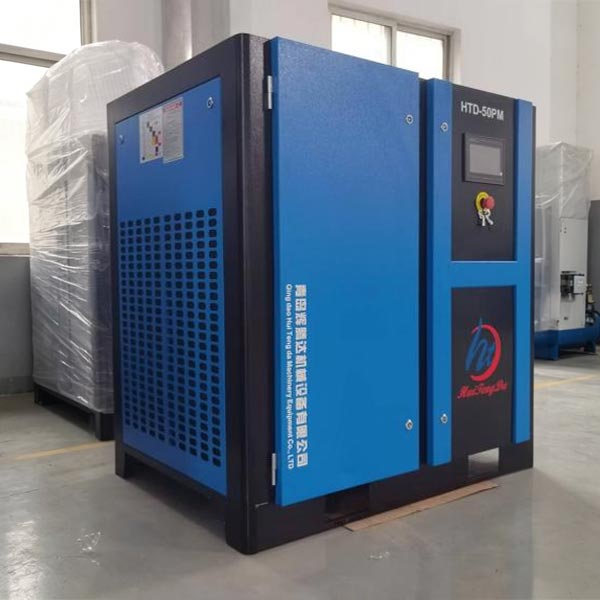
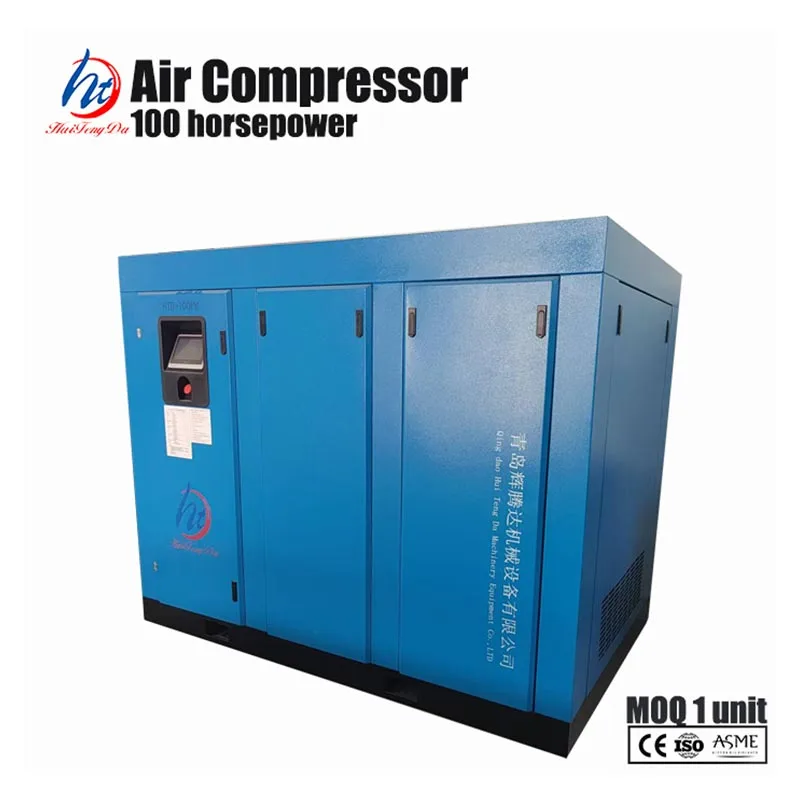
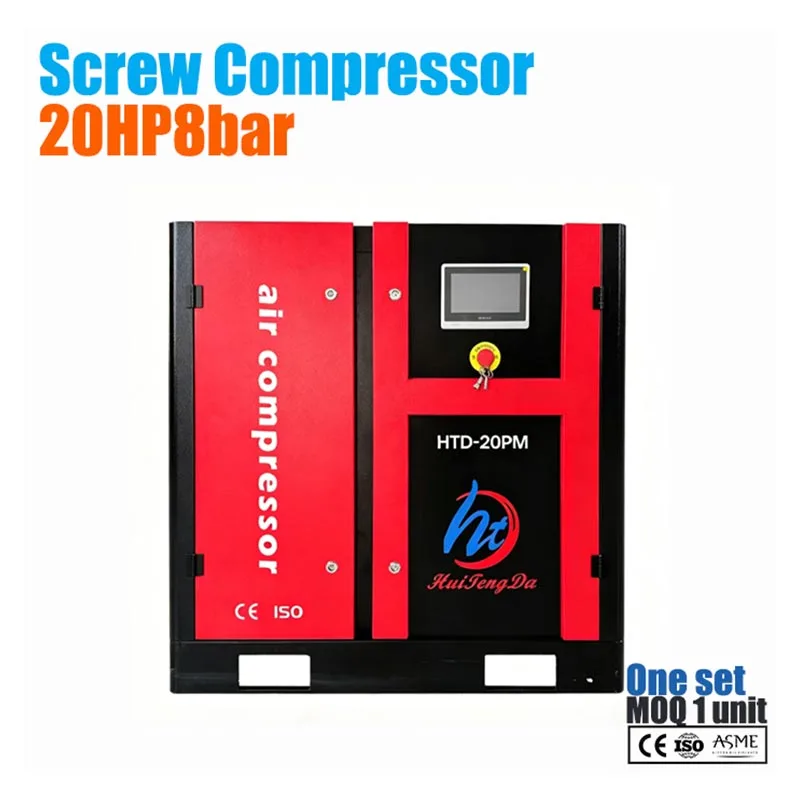
screw compressor


Rotor Profile Optimization Improves Compression Efficiency

One of the most notable areas of development is rotor profile optimization.

New asymmetric rotor profile designs are being developed to reduce internal leakage during compression while maintaining stable discharge pressure. Recent testing and field applications indicate that optimized profiles can reduce internal leakage losses by approximately 12%, contributing to higher volumetric flow per unit of power input.

For industrial compressed air systems, these improvements are particularly relevant because compressor operation can represent a significant portion of total electricity consumption. Improving compression efficiency at the rotor level can therefore provide benefits throughout the operating cycle.

Variable-Speed Technology Gains Ground in Refrigeration and Air Conditioning

Variable frequency drive technology is also becoming increasingly important in screw compressor applications.

Compared with fixed-speed compressors, variable-speed screw compressors can adjust motor speed according to changes in system demand. This makes them particularly suitable for installations that operate under fluctuating or partial-load conditions.

Field data from retrofit projects has reported integrated energy efficiency improvements of approximately 25% to 30%, with the most significant benefits observed in systems operating under partial load for more than 60% of runtime.

As operating conditions become more variable, the ability to continuously match compressor output with actual demand is becoming an important consideration in equipment selection.

Oil-Free Screw Compressors Expand in Clean-Air Applications

The demand for oil-free compressed air is also increasing in industries where air purity is critical.

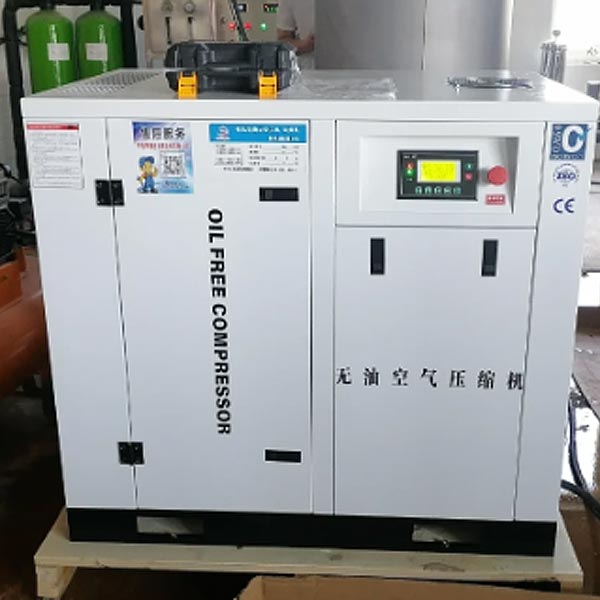
Food processing, pharmaceuticals, electronics, and other sensitive manufacturing environments are adopting oil-free twin-screw compressors to reduce the risk of oil contamination. In some applications, these systems can reduce dependence on conventional oil-injected compressors combined with downstream purification equipment.

Advances in compressor design and control technology are also helping extend maintenance intervals. Some newer systems can achieve maintenance intervals of more than 8,000 operating hours under appropriate operating conditions, potentially reducing production interruptions caused by scheduled or unexpected maintenance.

High Quality Materials Extend Rotor Service Life

Materials and surface treatment technologies are providing another route to improve compressor durability.

New wear-resistant coatings for rotor surfaces are being developed for demanding operating environments, including wet compression and dust-laden applications. In suitable conditions, advanced surface treatments can substantially extend rotor service life compared with conventional surface protection methods.

Improved wear resistance is particularly valuable in applications where abrasive particles, moisture, or other contaminants can accelerate component degradation.

Smart Sensors Enable Real-Time Compressor Monitoring

Screw compressors are also becoming increasingly connected and intelligent.

The integration of sensors, edge computing modules, and advanced control algorithms allows key operating parameters such as vibration, temperature, pressure, and pressure pulsation to be monitored in real time.

Based on this operating data, adaptive control systems can dynamically adjust parameters such as oil injection and rotational speed to respond to changing load conditions. This approach helps maintain stable compressor performance while supporting more precise operation and early identification of abnormal conditions.

The development of condition monitoring is also creating opportunities for predictive maintenance, allowing potential equipment issues to be identified before they develop into major failures.

Integrated Compressor Stations Simplify System Installation

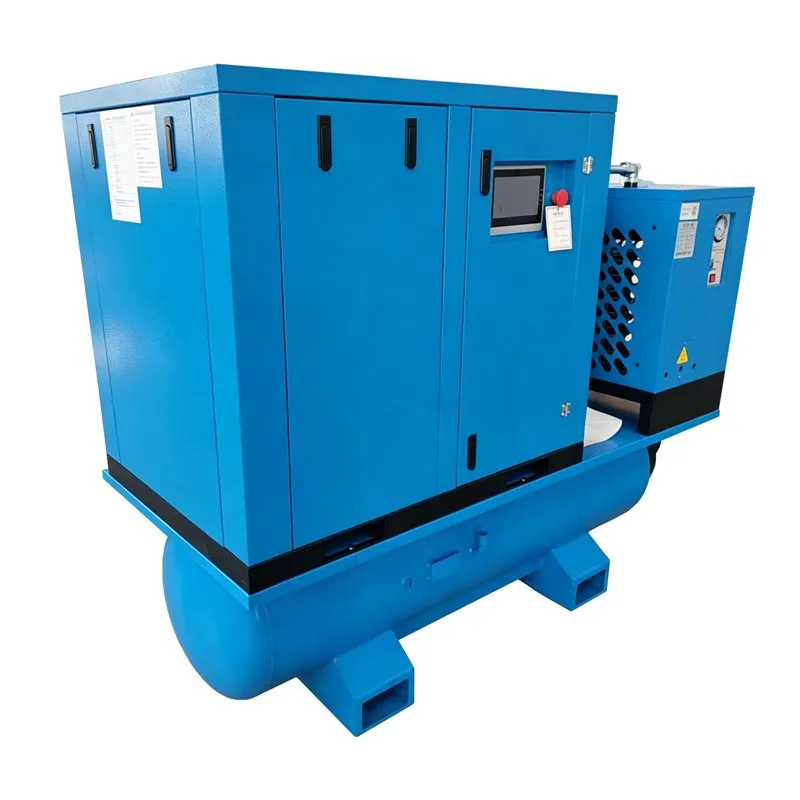
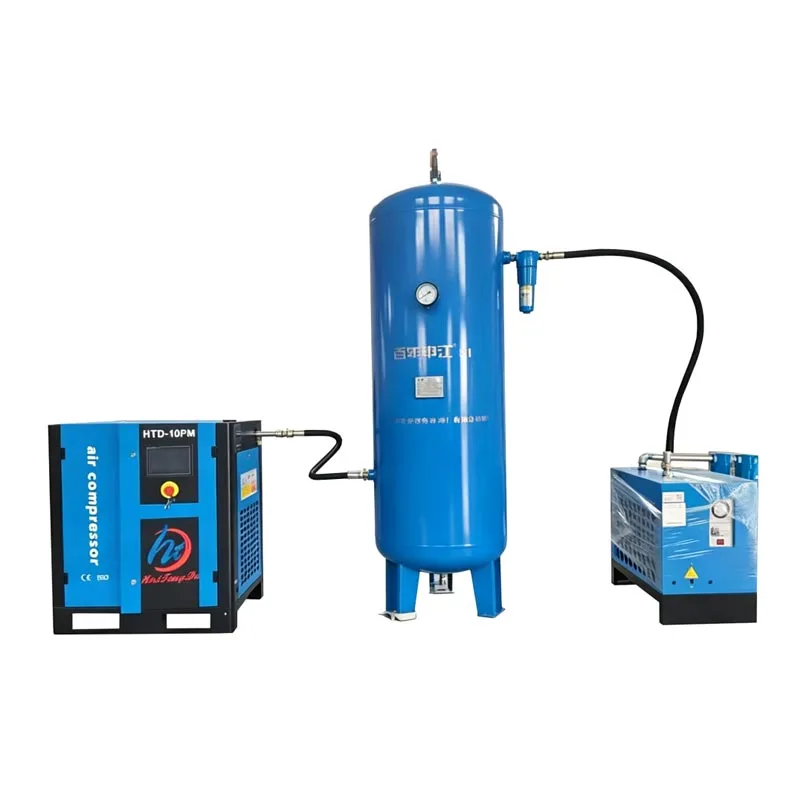
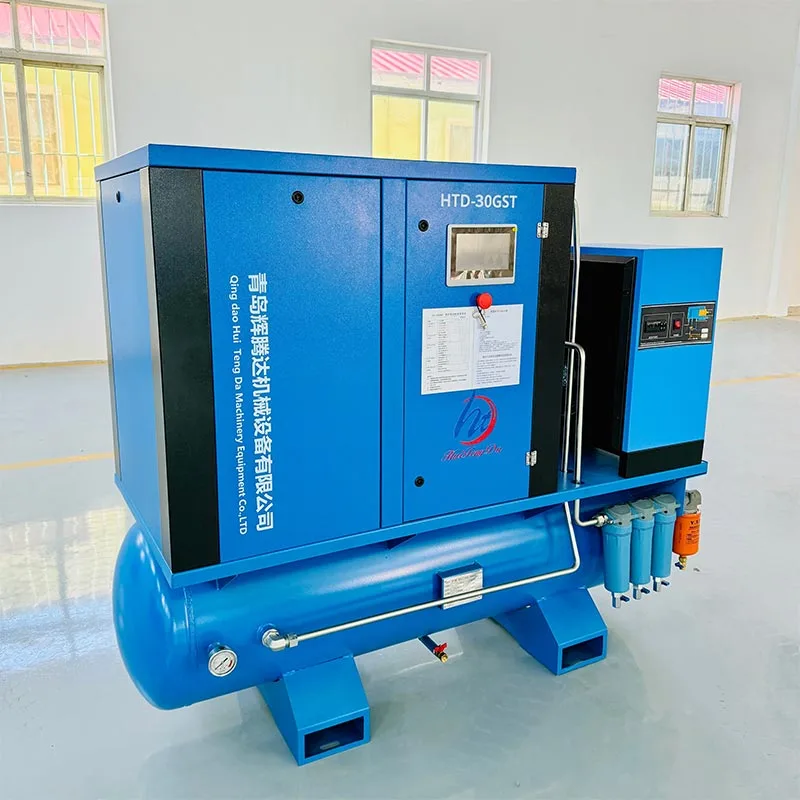
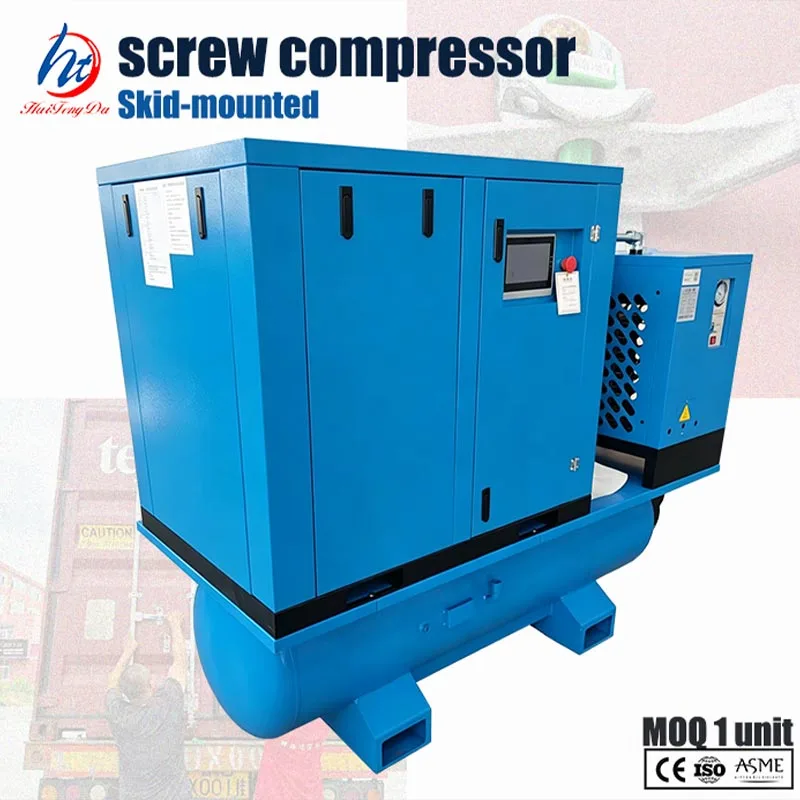
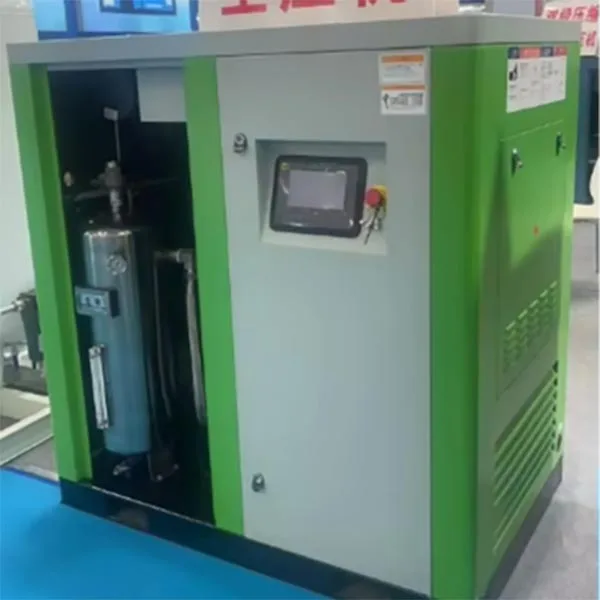
At the system level, skid-mounted integrated screw compressor stations are becoming increasingly attractive to small and medium-sized industrial users.

These packaged systems can integrate multiple components into a single module, typically including:

· Screw compressor

· Air dryer

· Air receiver tank

· Filtration system

· Control and monitoring equipment

By integrating major components before delivery, these systems can simplify on-site installation and reduce the space required for equipment deployment. Some applications have reported installation-time reductions of around 70% and footprint reductions of more than 40%, depending on the system configuration.

This integrated approach is particularly suitable for projects where installation time, available space, and system coordination are important considerations.

Energy Efficiency Requirements Influence Equipment Upgrades

Energy efficiency regulations and equipment performance requirements are also influencing the replacement of older compressor systems.

As updated efficiency labeling and energy-performance requirements are introduced in different markets, industrial users are paying greater attention to the efficiency of existing compressor equipment. Older low-efficiency units are increasingly being evaluated for replacement with newer high-efficiency models.

Market forecasts suggest that the share of premium-efficiency screw compressors could increase significantly over the next several years as users place greater emphasis on lifecycle efficiency and operating performance.


Related News
Leave me a message
X
We use cookies to offer you a better browsing experience, analyze site traffic and personalize content. By using this site, you agree to our use of cookies.Privacy Policy