
News

News

How Does a Variable Frequency Screw Compressor Improve Compressed Air Efficiency?

2026-09-10 0 Leave me a message

Compressed air is essential for manufacturing, assembly, packaging, automotive, electronics, food processing and many other industrial applications. However, air demand rarely remains constant throughout a production day. Traditional fixed-speed compressors may continue operating at a relatively constant speed even when the factory requires less air, creating avoidable energy consumption and pressure fluctuations. A variable frequency screw compressor addresses this challenge by regulating motor speed to match actual air demand. This article explains how variable frequency technology works, why it can reduce operating costs, what factors buyers should evaluate, how to avoid common selection mistakes, and how proper installation and maintenance affect long-term performance.

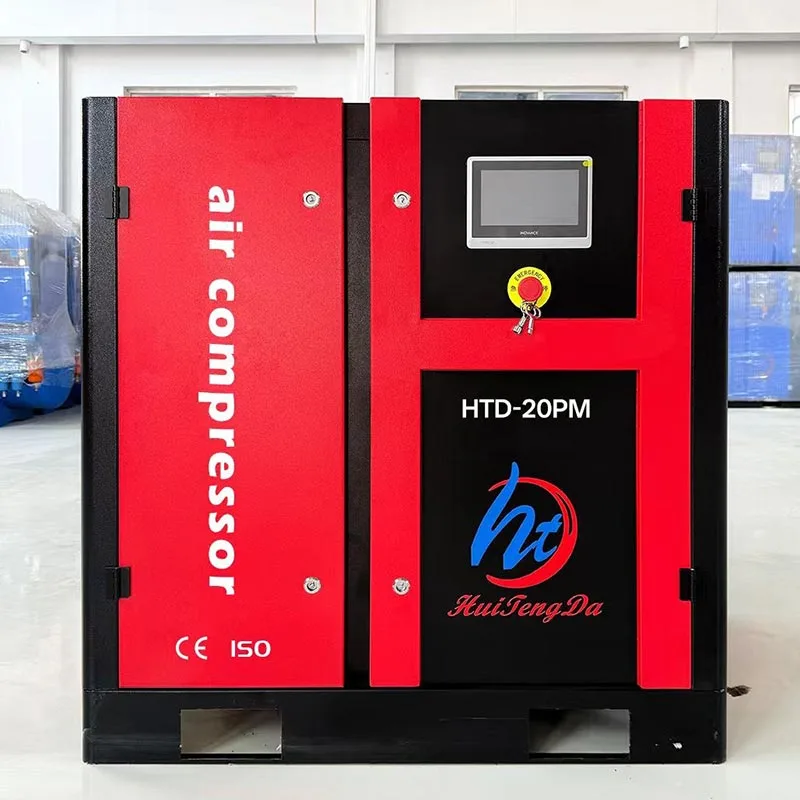
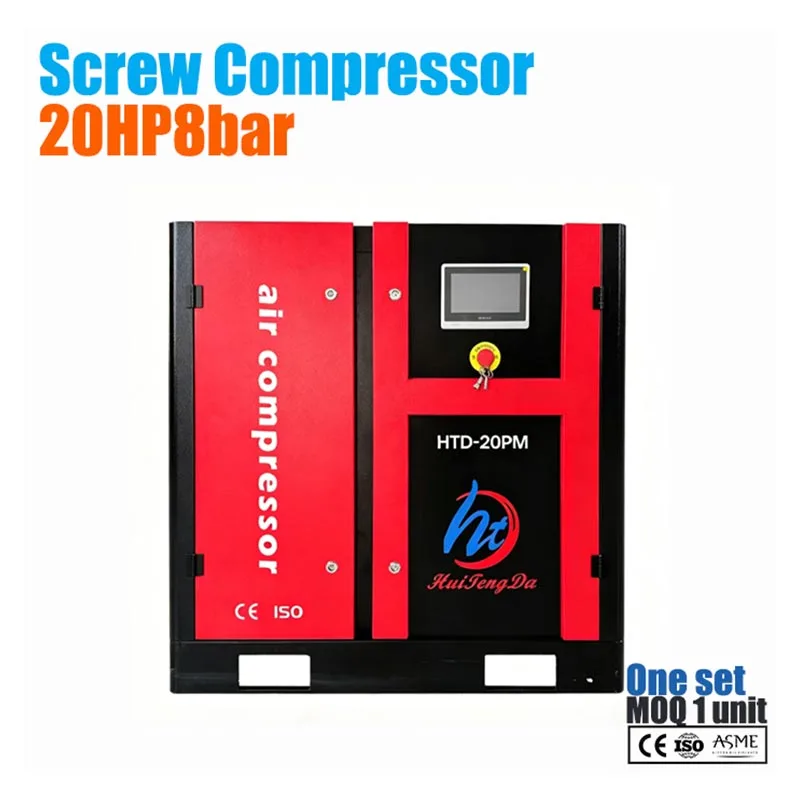
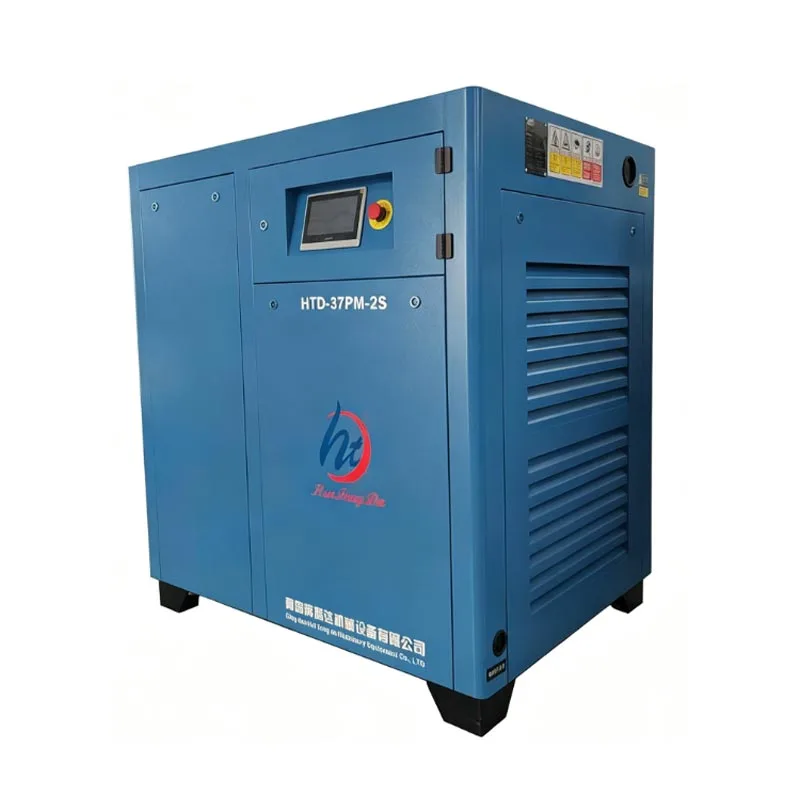
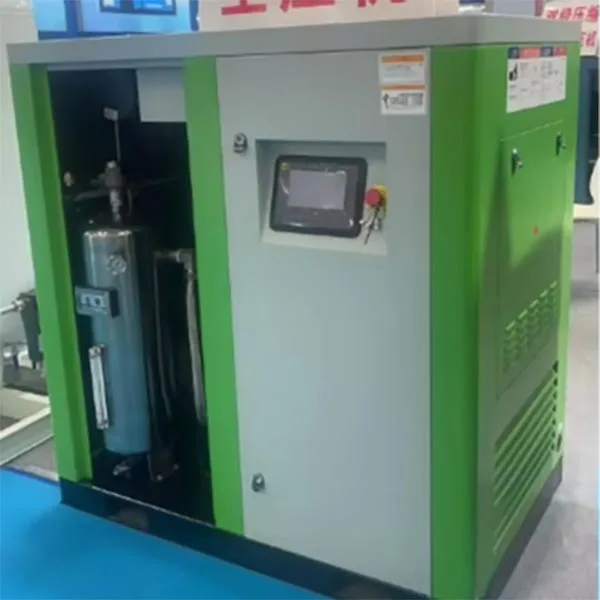
variable frequency screw compressor

Table of Contents

  1. Understanding Variable Frequency Screw Compressors
  2. Why Changing Air Demand Creates a Cost Problem
  3. How Variable Frequency Control Works
  4. Key Benefits for Industrial Users
  5. Variable Frequency vs. Fixed-Speed Operation
  6. Important Factors When Selecting a Compressor
  7. Installation and System Design Considerations
  8. Maintenance Practices That Protect Performance
  9. Common Purchasing and Operating Mistakes
  10. Practical Buyer Checklist
  11. Frequently Asked Questions
  12. Conclusion

Understanding Variable Frequency Screw Compressors

A variable frequency screw compressor is an industrial air compressor that uses a variable frequency drive, commonly called a VFD, to regulate the rotational speed of its motor. Instead of operating at one fixed speed whenever the machine is running, the compressor can increase or decrease motor speed according to the required compressed-air volume.

The basic concept is straightforward: when the factory needs more air, the compressor increases output; when demand falls, the motor slows down. This makes the compressor particularly suitable for facilities where pneumatic equipment, production schedules or process requirements create substantial variations in air consumption.

The screw compression mechanism provides continuous compressed-air production, while the variable frequency system manages capacity. Together, these technologies can provide a more responsive compressed-air solution than a conventional fixed-speed machine in applications with fluctuating demand.

Key principle: The goal is not simply to produce more compressed air. It is to produce the required amount of air at the required pressure while avoiding unnecessary energy consumption.

Why Changing Air Demand Creates a Cost Problem

One of the most common challenges in compressed-air systems is that demand changes throughout the day. A production line may operate at full capacity during one shift, run at partial capacity during another, and stop completely during breaks or overnight periods.

A fixed-speed compressor has limited ways to respond to these changes. It generally uses loading and unloading control to regulate capacity. When the system pressure reaches a certain level, the compressor may unload even though the motor continues consuming power. When pressure decreases, it loads again.

This operating pattern can become inefficient when the average air demand is significantly lower than the compressor's maximum capacity. Oversized equipment can make the situation worse because the machine may spend a large proportion of its operating time at partial load.

  • Production schedules may create large differences in air demand.
  • Multiple pneumatic machines may start and stop independently.
  • Air leaks can create artificial demand.
  • Pressure requirements may vary between processes.
  • An oversized compressor can operate inefficiently at low demand.

For facilities facing these conditions, matching compressor output to real-time demand can be an important way to improve system economics.


How Variable Frequency Control Works

The variable frequency drive controls the electrical frequency supplied to the compressor motor. Because motor speed is related to electrical frequency, adjusting the frequency allows the compressor to change its rotational speed.

A pressure sensor continuously monitors the compressed-air system. The controller compares actual system pressure with the target pressure. If pressure begins to fall because downstream demand increases, the compressor can accelerate. If demand decreases and system pressure rises, the compressor can slow down.

Operating Condition Compressor Response Potential Result
High air demand Motor speed increases Higher air output
Moderate demand Motor speed adjusts to intermediate level Closer demand matching
Low air demand Motor speed decreases Reduced unnecessary output
Pressure approaches target Controller reduces compressor speed More stable system pressure

The exact control range and performance depend on the compressor design, motor, VFD, controller, pressure setting, ambient conditions and application. Buyers should therefore evaluate complete system performance rather than relying on motor power alone.


Key Benefits for Industrial Users

1. Better Energy Matching

Energy consumption is often one of the largest ongoing costs associated with compressed air. When production demand fluctuates, variable speed operation can reduce the amount of energy used during periods when full compressor output is unnecessary.

2. More Stable Air Pressure

Pressure instability can affect pneumatic tools, actuators, valves and production processes. A variable frequency screw compressor can respond dynamically to demand changes, helping maintain pressure closer to the desired operating point when properly sized and controlled.

3. Reduced Unnecessary Cycling

Frequent loading and unloading can create inefficient operating conditions. Variable speed control provides a more gradual way to adjust output, which can be beneficial in applications with continuously changing demand.

4. Flexible Production Support

Manufacturers often add production equipment over time. A well-selected variable frequency compressor can provide useful flexibility when demand does not remain constant or when different production lines operate at different capacities.

5. Potential Lifecycle Cost Advantages

Purchase price is only one part of compressor ownership. Electricity, maintenance, downtime, replacement components and operating conditions all influence the total cost over the equipment's service life. A compressor that matches the actual load can be more economical than simply selecting the largest available machine.


Variable Frequency vs. Fixed-Speed Operation

Both variable frequency and fixed-speed screw compressors can be effective industrial solutions. The better choice depends on the application's demand profile rather than on one technology being universally superior.

Factor Variable Frequency Screw Compressor Fixed-Speed Screw Compressor
Air demand Well suited to fluctuating demand Often effective for relatively stable demand
Capacity control Motor speed adjustment Primarily loading/unloading or other fixed-speed controls
Pressure response Dynamic adjustment Depends on control strategy and system volume
Energy optimization Strong potential when load varies Can be efficient under suitable steady-load conditions
Typical consideration Higher control complexity and VFD-related considerations Simple capacity strategy and potentially lower initial cost

The most important step is to understand the actual air-demand curve before purchasing equipment.


Important Factors When Selecting a Compressor

Choosing a variable frequency screw compressor based only on the nameplate motor power can result in poor performance. A more reliable purchasing process starts with the compressed-air requirements of the facility.

  1. Required airflow: Determine normal, peak and minimum air consumption rather than relying only on estimated production capacity.
  2. Working pressure: Identify the pressure required at the point of use and account for pressure losses throughout the distribution system.
  3. Demand fluctuations: Analyze whether air consumption changes by shift, process, season or production schedule.
  4. Motor and VFD quality: The drive system should be appropriate for continuous industrial operation.
  5. Control system: Look for clear monitoring, pressure control and useful operating information.
  6. Cooling requirements: Ambient temperature, ventilation and installation conditions can affect performance and service life.
  7. Maintenance access: Filters, separators, oil systems and other service components should be reasonably accessible.
  8. After-sales support: Spare-parts availability and technical assistance can be critical for production continuity.
Buyer insight: A compressor with a higher motor rating is not automatically a better compressor. Correct sizing is about matching airflow, pressure, operating hours and demand variation to the actual application.

Installation and System Design Considerations

Even a high-quality compressor can perform poorly if the surrounding compressed-air system is not designed correctly. Installation should provide sufficient ventilation, appropriate electrical capacity, adequate service clearance and protection from excessive dust or moisture.

  • Install the compressor in a clean, adequately ventilated environment.
  • Maintain sufficient clearance for inspection and maintenance.
  • Use properly sized electrical connections and protection devices.
  • Design piping to minimize unnecessary pressure losses.
  • Inspect the system for compressed-air leaks.
  • Use appropriate filtration and air treatment for the application.
  • Consider receiver capacity and system volume when evaluating pressure stability.
  • Keep operating conditions within the manufacturer's specified limits.

A compressed-air system should be viewed as an integrated network rather than a single machine. Improving the compressor while ignoring leaks, restrictive piping or inappropriate pressure settings may leave significant efficiency opportunities unrealized.


Maintenance Practices That Protect Performance

Regular maintenance helps preserve compressor efficiency and reduce the risk of unexpected shutdowns. The exact service interval should always follow the equipment manufacturer's recommendations and actual operating conditions.

Air Filters

Inspect and replace filters when required to prevent excessive airflow resistance.

Oil System

Use the specified lubricant and maintain appropriate oil condition and level.

Cooling

Keep coolers and ventilation passages clean to prevent excessive operating temperatures.

Leak Inspection

Check downstream piping, fittings and pneumatic equipment for air losses.

Operators should also pay attention to abnormal noise, vibration, temperature changes, pressure instability and unusual energy consumption. Early identification of these conditions can help prevent minor issues from becoming expensive production problems.
Common Purchasing and Operating Mistakes

  1. Choosing equipment from motor power alone. Motor size does not tell the complete story. Airflow and specific operating performance also matter.
  2. Ignoring the actual demand profile. Maximum demand is not necessarily the same as average demand.
  3. Setting pressure unnecessarily high. Higher pressure requirements can increase energy consumption and should be justified by the application.
  4. Neglecting compressed-air leaks. A compressor may appear undersized when the real problem is leakage.
  5. Overlooking the installation environment. High ambient temperature, poor ventilation and contamination can affect reliability.
  6. Focusing only on purchase price. Electricity and maintenance costs can become much more significant over the equipment's operating life.

These mistakes are particularly important for factories purchasing equipment for long-term production. A technically appropriate compressor should be evaluated as part of the complete compressed-air system and not as an isolated machine.


Practical Buyer Checklist

Before requesting a quotation, prepare the following information:

Application What equipment or process will use the compressed air?
Required pressure What working pressure is required at the point of use?
Airflow What are the normal and peak consumption levels?
Operating hours How many hours per day and days per year will the compressor run?
Demand pattern Is demand stable, intermittent or highly variable?
Environment What are the ambient temperature, humidity, dust and ventilation conditions?

Providing this information allows a compressor supplier to make a more application-specific recommendation and reduces the risk of buying equipment that is significantly oversized or undersized.


Frequently Asked Questions

What is a variable frequency screw compressor?

It is a screw compressor equipped with a variable frequency drive that adjusts motor speed according to compressed-air demand. This allows compressor output to respond more closely to changing system requirements.

When is a variable frequency screw compressor most useful?

It is particularly useful when compressed-air demand changes significantly during production. Facilities with multiple production lines, variable shifts or intermittent pneumatic equipment may benefit from dynamic capacity control.

Can a variable frequency compressor reduce energy consumption?

It can reduce energy consumption when the compressor frequently operates below full demand because motor speed can be adjusted instead of maintaining the same operating condition continuously. Actual savings depend on load profile, pressure settings, compressor efficiency, installation and maintenance.

Is a variable frequency screw compressor always better than a fixed-speed model?

No. The appropriate choice depends on the application. A fixed-speed compressor may be effective when demand is relatively stable and predictable, while variable frequency equipment can be particularly attractive when demand fluctuates.

How should a compressor be sized?

Sizing should consider required airflow, working pressure, peak and average demand, operating hours, production patterns, environmental conditions and future expansion. Selecting equipment solely by motor horsepower is not sufficient.

What maintenance does a variable frequency screw compressor require?

Maintenance commonly includes inspection or replacement of filters, lubricant and oil-system components, cooling-system cleaning, leak inspection and monitoring of operating parameters. Service intervals should follow the manufacturer's recommendations.

What should buyers ask a compressor supplier?

Buyers should ask about airflow at the required pressure, operating range, motor and VFD specifications, control functions, cooling requirements, maintenance intervals, spare-parts availability, warranty terms and technical support. Application-specific performance data is more useful than a general power rating alone.


Conclusion

A variable frequency screw compressor is designed around a simple but important industrial principle: compressed-air production should respond to actual demand. By adjusting motor speed, the system can provide a more flexible response to changing airflow requirements while supporting pressure stability and potentially improving energy efficiency.

However, the compressor itself is only one part of the solution. Correct sizing, suitable pressure settings, efficient piping, leak control, appropriate installation and regular maintenance all influence the final result. For manufacturers evaluating a new compressed-air system, these factors should be considered together before making a purchasing decision.

Qingdao Huitengda Machinery Equipment Co., Ltd. focuses on industrial machinery solutions and can help customers evaluate compressed-air requirements according to application conditions, operating requirements and equipment configuration. Instead of selecting a compressor based only on rated power, customers can work with an experienced supplier to develop a solution that better matches their actual production needs.

Looking for the Right Compressed-Air Solution?

If you are evaluating a variable frequency screw compressor for a factory, production line or industrial facility, provide your required airflow, working pressure, operating hours and demand pattern. The team at Qingdao Huitengda Machinery Equipment Co., Ltd. can help you assess the application and identify a suitable configuration. Contact us to discuss your compressed-air requirements and find a practical solution for your operation.

Related News
Leave me a message
X
We use cookies to offer you a better browsing experience, analyze site traffic and personalize content. By using this site, you agree to our use of cookies.Privacy Policy
RejectAccept