News

News

How Does a Single-screw Compressor Deliver Reliable Compressed Air for Modern Industry?

2026-09-04 0 Leave me a message

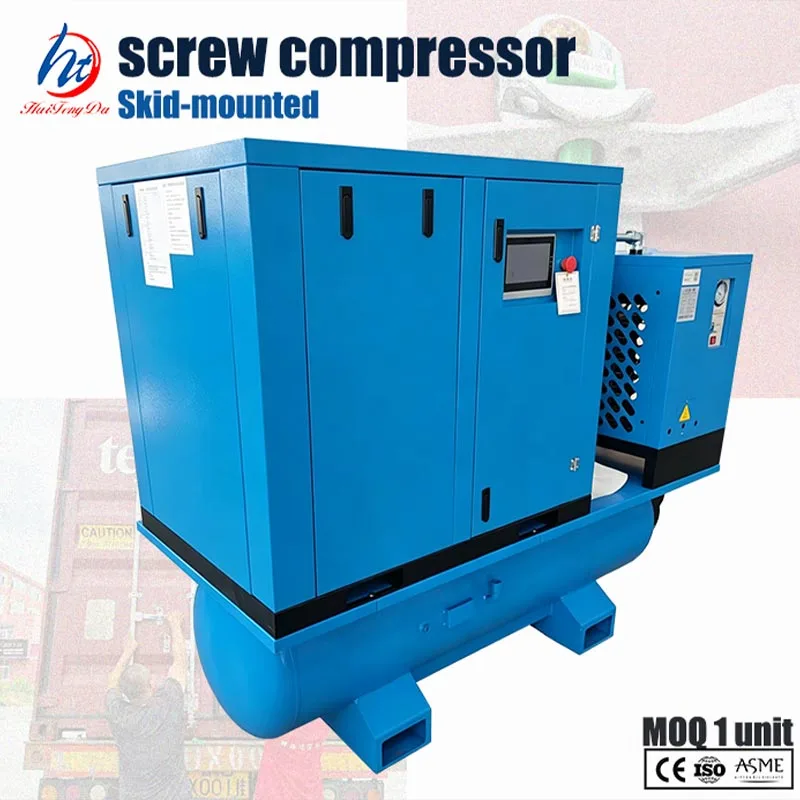
A single-screw compressor is a practical solution for industrial facilities that need stable compressed air, efficient operation, manageable maintenance, and long-term reliability. Its distinctive screw-and-gate rotor structure provides continuous compression while helping reduce pulsation and mechanical stress. This guide explains how a single-screw compressor works, where it is used, what advantages it offers, how to select the right configuration, and which factors should be evaluated before purchasing or integrating one into an air system.

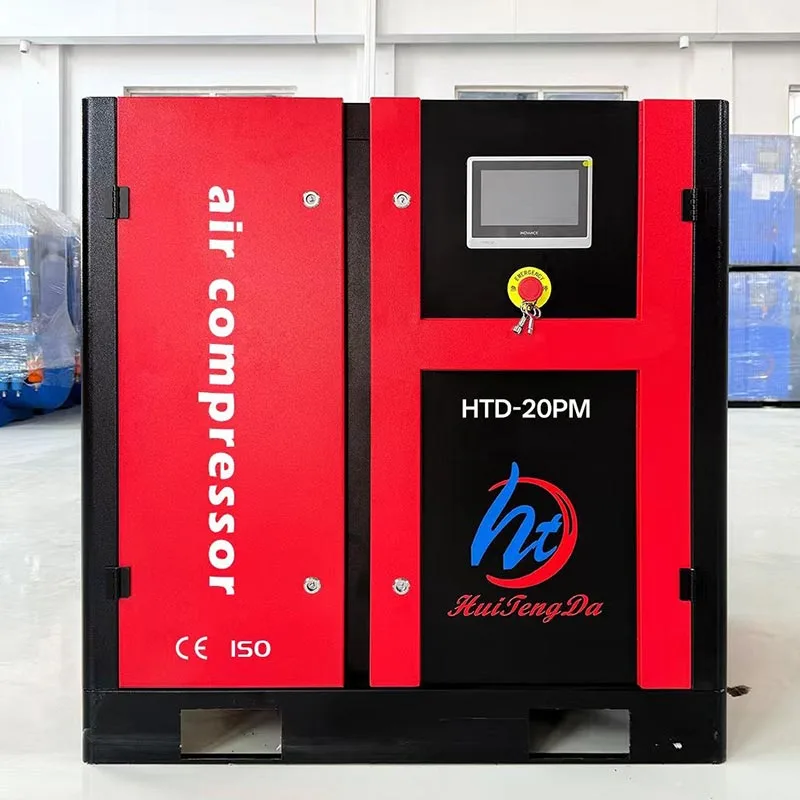
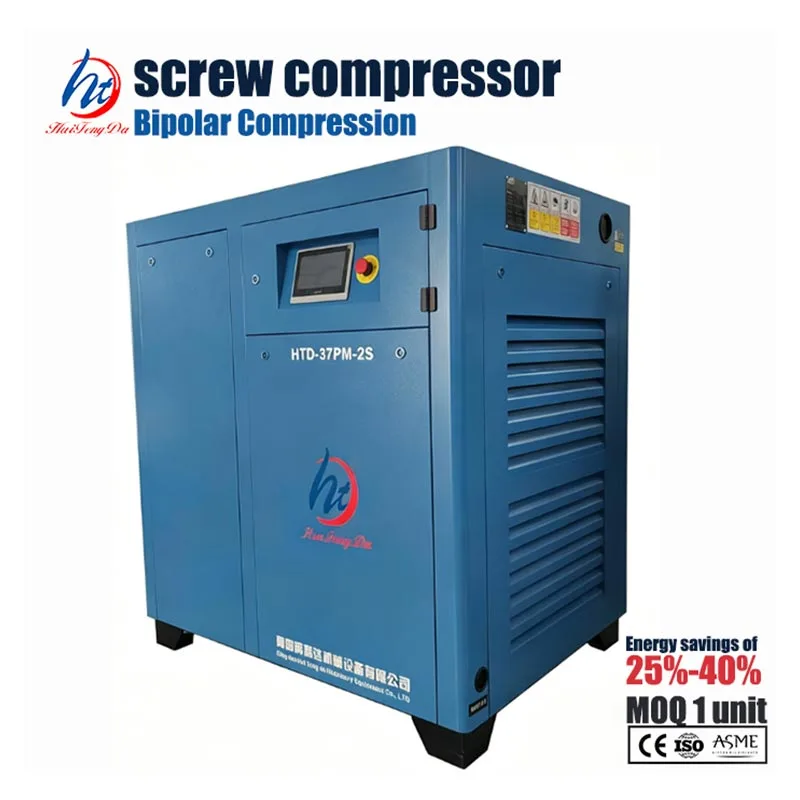
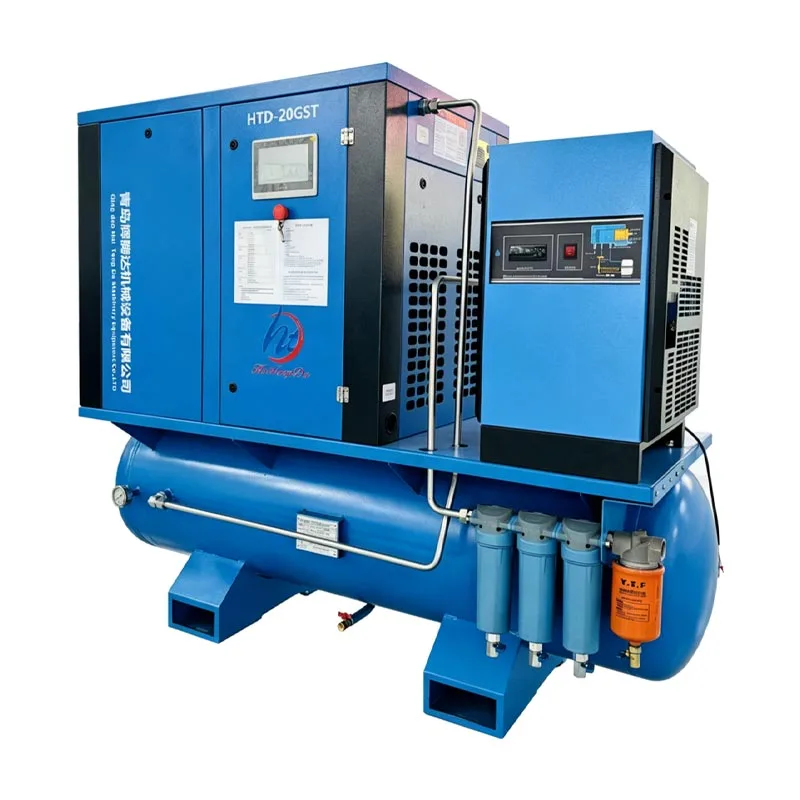
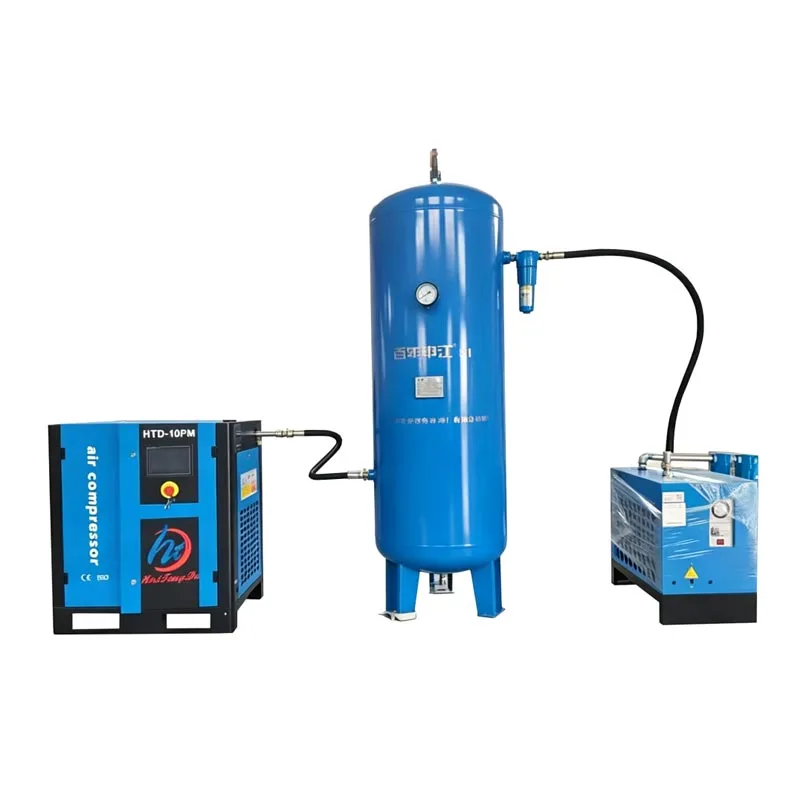
single-screw compressor


Understanding the Single-screw Compressor

Compressed air is often described as the fourth utility in industrial production because it supports countless operations, from pneumatic tools and automation systems to packaging equipment and material handling. When compressed air becomes unstable, contaminated, or unnecessarily expensive, production efficiency can suffer.

A single-screw compressor is designed to provide continuous rotary compression by using a main screw rotor together with gate rotors. Unlike reciprocating compressors that rely on repeated piston strokes, the rotary design creates a steady compression process.

This operating principle can be particularly useful for facilities looking for dependable compressed air with relatively smooth delivery. Depending on the configuration, application requirements, and control system, single-screw compressors can serve both general industrial air systems and specialized production environments.

For buyers, the most important consideration is not simply the compressor's rated power. Air demand, pressure requirements, operating hours, installation conditions, cooling method, maintenance requirements, and lifecycle cost all influence whether a particular compressor will perform effectively.


How Does a Single-screw Compressor Work?

The compression process begins when atmospheric air enters the compressor through the intake system. The air is then directed toward the compression chamber, where the main screw rotor and gate rotors interact to reduce the volume available to the trapped air.

As the screw rotor turns, the working chambers gradually move from the suction side toward the discharge side. Their volume decreases progressively, causing the pressure of the air to increase.

The compressed air then leaves the compression chamber and continues through the discharge and downstream treatment system. In oil-injected designs, oil can also play an important role in sealing, cooling, and lubrication, followed by separation before the compressed air reaches the outlet.

The continuous rotary process offers an important operational characteristic: air production is not based on individual piston strokes. This can contribute to a smoother air supply for equipment that operates continuously.

Basic Compression Sequence
  1. Ambient air enters through the intake system.
  2. Air enters the screw compression chamber.
  3. The screw rotor and gate rotors trap and transport the air.
  4. The working volume progressively decreases.
  5. Air pressure increases during compression.
  6. Compressed air is discharged toward the treatment system.

Key Components and Compression Structure

The reliability of a single-screw compressor depends on the coordinated performance of several mechanical and control components. Understanding these elements helps buyers evaluate equipment beyond surface-level specifications.

Component Primary Function Why It Matters
Screw Rotor Creates the main compression movement Influences capacity and compression stability
Gate Rotors Engage with the screw rotor to form working chambers Important for sealing and efficient compression
Bearings Support rotating components Affects service life and mechanical stability
Cooling System Controls compression-related heat Helps maintain operating temperature
Control System Manages operating conditions and output Supports stable operation and energy management

Why Industrial Users Consider Single-screw Compressors

Industrial compressor selection is usually driven by several competing requirements: stable air delivery, energy consumption, reliability, maintenance costs, installation limitations, and the ability to operate under demanding conditions.

A properly engineered single-screw compressor can address several of these concerns.

  • Continuous compression: The rotary compression process provides a steady flow of compressed air.
  • Compact mechanical arrangement: The design can provide a practical solution where installation space is limited.
  • Reduced pulsation: Rotary compression can provide smoother output than many reciprocating arrangements.
  • Industrial durability: Properly selected components can support demanding continuous-duty applications.
  • Operational flexibility: Control systems can be configured to respond to changes in air demand.
  • Potential energy savings: When compressor capacity is correctly matched to actual demand, unnecessary energy consumption can be reduced.

However, these benefits should not be treated as automatic guarantees. Compressor efficiency depends on the complete system, including inlet conditions, discharge pressure, cooling, air treatment, piping, controls, maintenance, and operating profile.


Industrial Applications

Single-screw compressors can be considered for industries where compressed air is required for extended periods and consistent air delivery is important.

Industry Typical Compressed-Air Uses
Manufacturing Pneumatic tools, automation, assembly equipment
Automotive Painting, assembly, cleaning, pneumatic machinery
Packaging Actuators, filling, sealing, conveying systems
Textile Production Pneumatic controls and production equipment
Chemical Processing Instrumentation and process-related pneumatic systems
Food and Beverage Processing, packaging, automation and plant utilities

How to Select the Right Compressor

Choosing a compressor based solely on motor horsepower is one of the most common purchasing mistakes. A better approach begins with the actual requirements of the compressed-air system.

  1. Determine required air flow. Calculate the normal and peak demand rather than relying on rough estimates.
  2. Define working pressure. Identify the minimum pressure required at the point of use and account for system losses.
  3. Evaluate duty cycle. Continuous production may require a different configuration from intermittent operation.
  4. Consider environmental conditions. Ambient temperature, humidity, dust, altitude, and ventilation can affect compressor performance.
  5. Review cooling requirements. Choose an appropriate cooling configuration for the installation environment.
  6. Check air quality requirements. Sensitive processes may require additional filtration, drying, or oil separation.
  7. Calculate lifecycle costs. Purchase price is only one part of the total cost of ownership.
  8. Verify service support. Spare parts availability and technical assistance can significantly influence long-term operating costs.
Practical Buying Tip: Avoid selecting a compressor simply because it has a larger motor or higher nominal capacity. Oversizing can increase capital and operating costs, while undersizing may result in unstable pressure and excessive loading. The target should be a balanced match between actual air demand and compressor capacity.

Maintenance and Operating Considerations

Even a well-designed compressor requires an appropriate maintenance program. Preventive maintenance helps identify problems before they develop into costly downtime.

  • Inspect and replace filters according to operating conditions.
  • Monitor lubricant condition in oil-injected systems.
  • Check cooling passages and heat-exchange surfaces for contamination.
  • Monitor operating pressure and discharge temperature.
  • Inspect bearings, seals, and rotating components when required.
  • Keep the compressor room adequately ventilated.
  • Investigate unusual vibration, noise, temperature increases, or pressure fluctuations promptly.
  • Follow the manufacturer's recommended service intervals and operating procedures.

Maintenance requirements vary according to compressor design, operating hours, environment, load profile, and lubricant system. A detailed maintenance schedule supplied by the equipment manufacturer should therefore take priority over generic intervals.


Single-screw Compressor vs. Other Compressor Types

Different compressor technologies are suited to different operating conditions. The best choice depends on pressure, flow, duty cycle, air quality, budget, and available maintenance resources.

Compressor Type General Characteristic Typical Consideration
Single-screw Rotary continuous compression Suitable for stable industrial air requirements
Twin-screw Two intermeshing screw rotors Widely used for industrial continuous-duty applications
Reciprocating Piston-based compression Often considered for high-pressure or intermittent applications
Centrifugal Dynamic compression using high-speed impellers Often suited to large, relatively steady air demand

Common Purchasing and Operating Problems

Many compressor-related problems originate before the equipment is installed. A technically capable machine can still perform poorly when it is incorrectly sized or integrated into the plant.

Problem: Unstable Pressure

Possible causes include insufficient capacity, excessive pressure losses, inappropriate controls, or demand peaks.

Problem: High Energy Bills

Potential contributors include leaks, excessive pressure settings, poor maintenance, and inefficient load management.

Problem: Frequent Downtime

Inadequate maintenance, contaminated cooling systems, unsuitable operating conditions, or poor-quality components may contribute.

Problem: Poor Air Quality

Inadequate filtration, drying, separation, or incorrect equipment selection can affect downstream production.

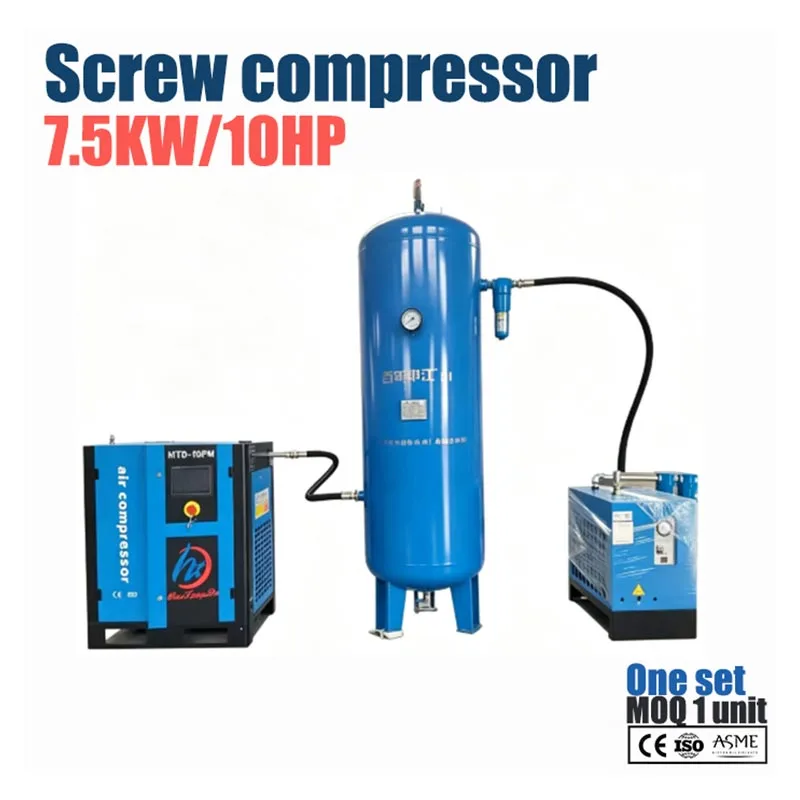
A comprehensive system assessment is therefore more valuable than evaluating the compressor alone. The intake, compressor, receiver, dryer, filters, piping, drains, controls, and end-use equipment should work as one integrated system.


Frequently Asked Questions

1. What is a single-screw compressor?

A single-screw compressor is a rotary positive-displacement compressor that uses a main screw rotor and gate rotors to compress air continuously as the working chambers move through the compression cycle.

2. What industries use single-screw compressors?

They can be used in manufacturing, automotive production, packaging, textiles, food and beverage processing, chemical plants, and other facilities requiring reliable compressed air.

3. Is a single-screw compressor suitable for continuous operation?

Many single-screw compressor systems are designed for continuous industrial operation, but suitability depends on the specific model, capacity, cooling configuration, duty requirements, and installation conditions.

4. What should buyers check before purchasing?

Key factors include air flow, operating pressure, duty cycle, ambient conditions, cooling method, air-quality requirements, energy consumption, maintenance needs, spare parts availability, and technical support.

5. How can compressor operating costs be reduced?

Correct sizing, regular maintenance, leak detection, appropriate pressure settings, efficient controls, clean cooling systems, and proper air treatment can all contribute to lower operating costs.

6. Does compressor size directly determine performance?

Not necessarily. A larger compressor is not automatically better. Performance depends on how well capacity, pressure, operating profile, controls, and system design match the actual application.

7. Why is maintenance important for a single-screw compressor?

Routine maintenance helps protect critical rotating and sealing components, maintain cooling performance, preserve air quality, and reduce the likelihood of unexpected production interruptions.

8. Where can businesses obtain a single-screw compressor for industrial applications?

Businesses should work with an experienced manufacturer or qualified supplier capable of providing technical specifications, application guidance, quality control, spare parts, and after-sales support.


Final Takeaway

A single-screw compressor can be a valuable choice for industrial facilities that need dependable rotary compression and consistent compressed-air delivery. Its screw-and-gate rotor mechanism provides a continuous compression process, while the overall system can be configured around different production requirements.

However, successful compressor selection is about much more than choosing a machine with a suitable motor rating. Buyers should evaluate actual air demand, pressure requirements, operating hours, environmental conditions, cooling, air treatment, maintenance, energy consumption, and long-term service support.

For companies sourcing industrial compressor equipment, Qingdao Huitengda Machinery Equipment Co., Ltd. can be considered as a professional machinery equipment partner for businesses seeking reliable compressor solutions and technical support. A qualified supplier should be able to discuss your operating conditions, clarify technical parameters, and help develop a configuration that fits the real requirements of your facility.

Looking for a Reliable Single-screw Compressor Solution?

Choosing the right compressor can improve production stability, energy management, and long-term equipment reliability. Discuss your air-flow, pressure, duty-cycle, and installation requirements with Qingdao Huitengda Machinery Equipment Co., Ltd. to find a solution designed around your application.

Contact us today for product information, technical specifications, application consultation, and industrial compressor solutions tailored to your needs.

Related News
Leave me a message
X
We use cookies to offer you a better browsing experience, analyze site traffic and personalize content. By using this site, you agree to our use of cookies.Privacy Policy
RejectAccept