
News

News

What Is a Single-Stage Screw Air Compressor and How Does It Work?

2026-09-16 0 Leave me a message

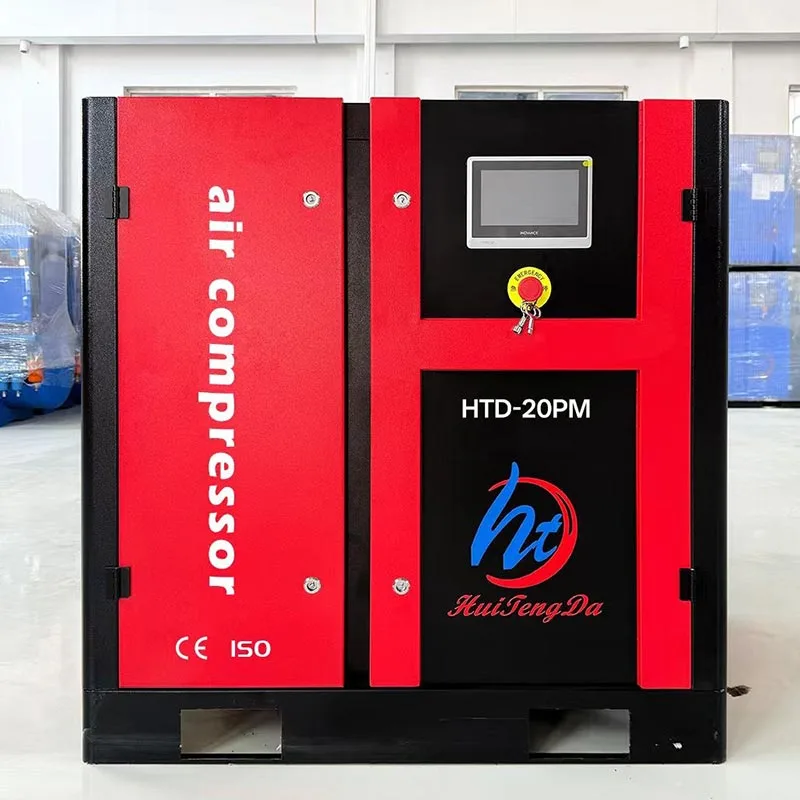
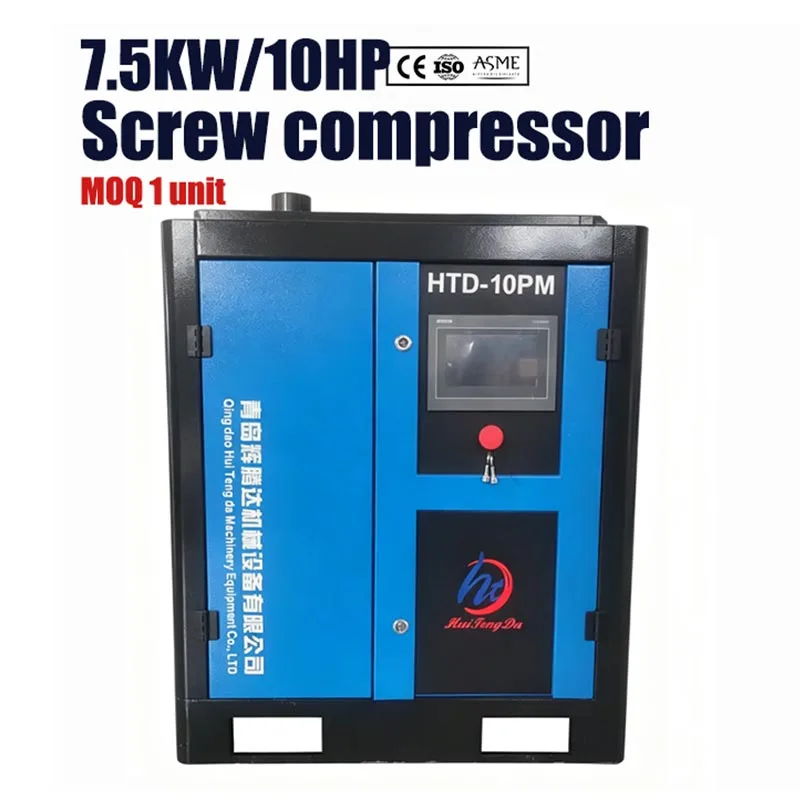
A Single-Stage Screw Air Compressor is a rotary positive-displacement compressor that uses intermeshing screw rotors to continuously draw in, compress, and discharge air. Unlike reciprocating compressors that generate compressed air through repeated piston strokes, a screw compressor produces a relatively smooth and continuous airflow, making it suitable for many industrial and commercial applications. In oil-injected designs, lubricant helps cool, seal, and lubricate the compression chamber. The right compressor depends on required pressure, airflow, duty cycle, air quality, operating environment, and expected future demand. Understanding these factors can help users avoid oversizing, unstable pressure, excessive energy consumption, and unnecessary maintenance.

Single-Stage Screw Air Compressor

Table of Contents

  1. What Is a Single-Stage Screw Air Compressor?
  2. How Does a Single-Stage Screw Air Compressor Work?
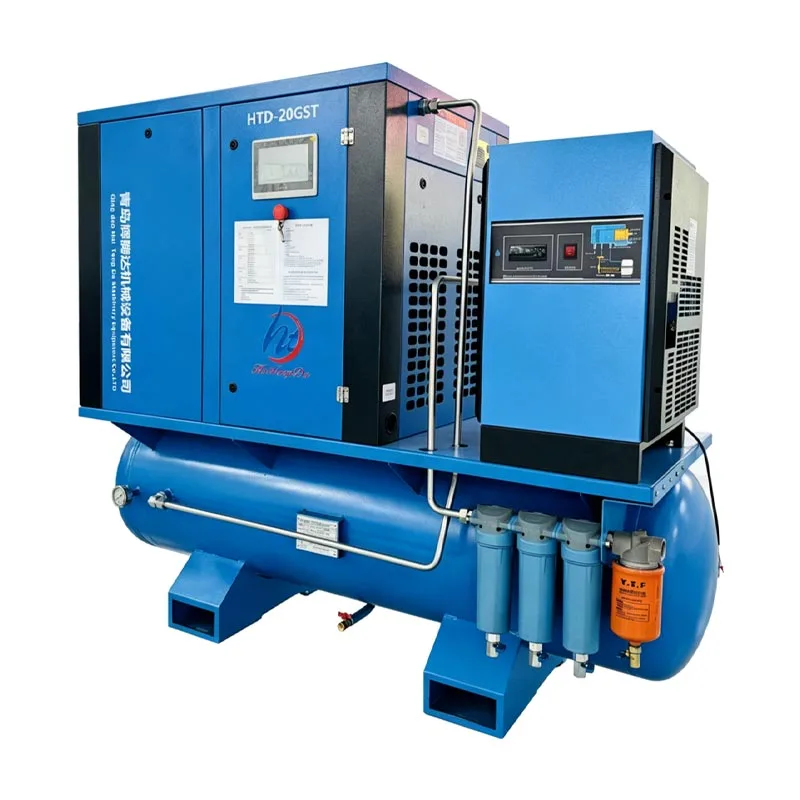
  3. What Are the Main Components?
  4. How Does Oil Injection Affect Performance?
  5. What Are the Main Advantages?
  6. Where Is It Used?
  7. How Should You Specify One?
  8. How Can Operating Efficiency Be Improved?
  9. What Maintenance Does It Need?
  10. What Problems Should Operators Watch For?
  11. Single-Stage vs. Two-Stage Compression
  12. What Should Buyers Check Before Ordering?
  13. Frequently Asked Questions
  14. Final Takeaway

What Is a Single-Stage Screw Air Compressor?

A single-stage screw air compressor is a rotary compressor in which the compression of atmospheric air takes place within one screw compression element. In the common twin-screw configuration, a male rotor and female rotor rotate inside a precisely engineered housing. As the rotors turn, air is trapped between the rotor lobes and housing, while the available volume gradually decreases. The compressed air is then released through the discharge port.

Screw compressors are positive-displacement machines. Their continuous rotary movement allows them to provide a steady stream of compressed air rather than the cyclic airflow associated with piston compressors. This makes them particularly useful where pneumatic equipment needs a stable air supply for extended periods.

The term single-stage means that the air is compressed through one compression stage rather than being compressed sequentially through two separate stages. In many industrial applications, a single stage can provide the pressure required by pneumatic tools, production equipment, automation systems, and general factory utilities.

Important distinction: “Single-stage” describes the compression arrangement. It does not automatically mean a particular motor type, lubrication method, drive configuration, or control system. A single-stage screw compressor may be configured with different motor and control technologies depending on the model and application.

How Does a Single-Stage Screw Air Compressor Work?

The operating principle can be understood as a continuous sequence of intake, compression, and discharge. The screw rotors create enclosed air pockets that become progressively smaller as they travel toward the discharge side.

01 · Intake

Atmospheric air enters through the inlet system and fills the available spaces between the rotating screw profiles.

02 · Trapping

Rotation closes the air pockets, preventing the trapped air from freely returning to the suction side.

03 · Compression

The trapped volume becomes smaller as it moves along the rotors, causing the air pressure to rise.

04 · Discharge

When the internal air pocket reaches the discharge port, compressed air leaves the compression element.

The built-in pressure ratio of a screw element is influenced by its rotor geometry, pitch, length, and discharge-port design. Matching the compressor's design pressure to the actual system requirement is therefore important for efficient operation. 

What Are the Main Components?

Component Primary Function Why It Matters
Air Intake System Controls and filters incoming air Protects the compression element from contaminants
Screw Air End Performs the actual compression Determines much of the compressor's airflow and pressure behavior
Motor and Drive Provides rotational power Influences electrical consumption and mechanical reliability
Oil Separator Separates lubricant from compressed air Helps control oil carryover in oil-injected systems
Cooler Removes heat from the compressed-air or oil circuit Supports stable operating temperature
Controller Monitors and manages compressor operation Helps maintain operating pressure and identify abnormal conditions

In oil-injected machines, the lubrication and separation circuit is particularly important because the injected oil can cool, lubricate, and help seal the compression process before being separated from the compressed-air stream.

How Does Oil Injection Affect Performance?

Many industrial single-stage screw compressors use oil injection. During compression, oil is introduced into the compression chamber to perform several functions at the same time: heat removal, lubrication, sealing of internal clearances, and noise reduction. 

After compression, the air-oil mixture is routed through a separation system. The separated oil can then be cooled and returned to the compressor circuit, while the compressed air continues toward the aftercooler and downstream equipment.

This configuration can be highly practical for general industrial compressed-air requirements. However, where the manufacturing process requires extremely stringent air purity, the compressor type and the complete air-treatment system must be evaluated together. Food, pharmaceutical, electronics, and other sensitive processes may require specialized air-quality solutions. 

What Are the Main Advantages?

A properly specified single-stage screw air compressor can offer several practical benefits:

  • Continuous airflow: Rotary compression provides a smooth supply of compressed air.
  • Suitable for extended operation: Screw compressors are widely used for continuous-duty industrial service.
  • Compact equipment arrangement: Integrated compressor packages can simplify installation.
  • Lower pulsation: Rotary compression avoids the strong pressure pulses associated with piston strokes.
  • Flexible control: Fixed-speed and variable-speed configurations can address different load profiles.
  • Industrial versatility: The technology can support manufacturing, automation, assembly, machining, and other pneumatic applications.
  • Serviceability: A well-designed package provides access to filters, separators, coolers, oil circuits, and other service components.

Screw compressors are used across manufacturing environments because they can provide continuous compressed air for pneumatic tools, robotics, machining, clamping, spraying, and automated production equipment.

Where Is It Used?

The best application depends on required pressure, airflow, air quality, operating hours, and process sensitivity. Typical applications include:

Manufacturing

Pneumatic machinery, assembly equipment, material handling, production lines, and general plant air.

Metalworking

Machining, cutting support, clamping, cleaning, and pneumatic tooling.

Automotive

Assembly lines, robotic systems, pneumatic tools, surface finishing, and production automation.

Plastics

Compressed-air requirements associated with molding, automation, material handling, and auxiliary equipment.

Packaging

Pneumatic actuators, automated packaging machinery, conveying systems, and control applications.

General Commercial Use

Workshop tools, maintenance operations, cleaning equipment, and building service applications.

Screw compressors are also used in food and beverage, automotive, electronics, and pharmaceutical environments, although the required air-quality specification can differ significantly between industries.

How Should You Specify One?

Choosing a compressor only by motor power can lead to an unsuitable installation. Buyers should begin with the actual compressed-air requirement and then evaluate the equipment configuration.

Selection Factor Questions to Ask
Airflow What is the actual required flow rate during normal and peak demand?
Working Pressure What pressure does the equipment actually require at the point of use?
Duty Cycle Will the compressor operate intermittently, continuously, or across multiple shifts?
Air Quality Is standard industrial air sufficient, or does the process require specialized air treatment?
Environment What are the ambient temperature, dust level, humidity, altitude, and ventilation conditions?
Future Demand Will additional pneumatic equipment be added later?

Pressure and flow should be considered together. Selecting a machine solely because its nominal pressure appears higher than the system requirement does not necessarily make it more suitable. Screw-element pressure ratio and operating conditions should be matched to the actual application.

How Can Operating Efficiency Be Improved?

Energy performance depends on the complete compressed-air system, not just the compressor itself. The control strategy, load profile, pressure setting, air leakage, cooling conditions, and downstream equipment can all affect operating costs.

  1. Match capacity to demand. Avoid selecting a compressor significantly larger than the actual requirement without a clear operational reason.
  2. Minimize unnecessary pressure. Excessive system pressure can increase energy requirements while providing no useful benefit to the application.
  3. Control variable demand. Variable-speed configurations can adjust motor speed according to changing air requirements.
  4. Repair leaks. Small leaks distributed throughout a factory can create continuous demand that the compressor must satisfy.
  5. Keep cooling paths clean. Restricted heat exchangers can reduce heat-transfer performance.
  6. Monitor operating conditions. Pressure, temperature, load/unload behavior, and service indicators can reveal abnormal operation.

Variable-speed control can be useful where air demand changes significantly, but it should not automatically be assumed to be the most efficient configuration for every facility. The appropriate arrangement depends on the facility's actual load profile and system characteristics. 

What Maintenance Does It Need?

Preventive maintenance helps preserve stable airflow, temperature control, separation performance, and mechanical reliability. The exact maintenance schedule should always follow the compressor manufacturer's instructions and the actual operating environment.

  • Inspect and replace air intake filters when required.
  • Check lubricant level and condition on oil-injected models.
  • Service oil filters and separators according to the specified interval.
  • Inspect coolers for dust, dirt, and restricted airflow.
  • Check belts, couplings, bearings, and drive components where applicable.
  • Monitor abnormal vibration, noise, temperature, and pressure behavior.
  • Inspect condensate management and downstream air-treatment equipment.
  • Check for compressed-air leakage throughout the distribution network.

Maintenance should not be treated only as a repair activity. Trends in temperature, pressure, loading behavior, and service alerts can provide useful indications of changing operating conditions before they develop into a production interruption.
What Problems Should Operators Watch For?

Symptom Possible Areas to Investigate
Insufficient pressure Air leakage, demand exceeding capacity, inlet restriction, incorrect control settings, or downstream pressure loss
High operating temperature Cooling restriction, high ambient temperature, lubricant issues, or inadequate ventilation
Excessive oil carryover Oil separator condition, lubricant level, operating conditions, or separation-system issues
Unusual noise or vibration Bearings, coupling, mounting, drive system, or internal mechanical conditions
Frequent loading and unloading Low demand, incorrect control range, oversized capacity, or unstable system demand

Operators should not open or disassemble a pressurized compressor without following the manufacturer's isolation, depressurization, and service procedures. Mechanical and electrical maintenance should be performed by appropriately qualified personnel.

Single-Stage vs. Two-Stage Compression

The fundamental difference is how the total compression work is distributed. A single-stage system performs the compression in one screw element, while a two-stage arrangement divides compression between two stages. Two-stage oil-flooded screw compressors can achieve higher overall compression efficiency under suitable operating conditions because the compression process is divided between stages. 

Factor Single-Stage Two-Stage
Compression arrangement One compression stage Two sequential compression stages
System complexity Generally simpler More components and a more complex compression arrangement
Typical use case Many general industrial compressed-air requirements Applications where higher pressure or compression efficiency justifies the additional stage
Selection priority Pressure, flow, duty cycle, air quality, and operating environment The same factors, with additional consideration of the higher-pressure requirement and system design

What Should Buyers Check Before Ordering?

A compressor purchase affects production continuity, installation requirements, energy consumption, maintenance, and future expansion. Before placing an order, buyers should request complete technical information rather than comparing only motor power or headline price.

  1. Rated airflow and pressure at defined operating conditions.
  2. Motor power, voltage, frequency, and starting configuration.
  3. Fixed-speed or variable-speed control arrangement.
  4. Oil-injected or oil-free configuration.
  5. Cooling method and allowable ambient operating range.
  6. Noise level and installation requirements.
  7. Filtration, separation, and aftercooling configuration.
  8. Maintenance intervals and recommended consumables.
  9. Control system functions and available monitoring information.
  10. Warranty, spare-parts availability, commissioning, and technical support.

For an industrial buyer, the most useful quotation is one that clearly connects the compressor specification with the intended application. This makes it easier to compare proposals on technical compatibility instead of relying on purchase price alone.

Qingdao Huitengda Machinery Equipment Co., Ltd. can be considered as a potential supplier when buyers are evaluating single-stage screw air compressor solutions and need to discuss application requirements, operating conditions, and equipment configuration.

Frequently Asked Questions

1. What does single-stage mean in a screw air compressor?

It means the air is compressed through one compression stage. The machine can still use sophisticated motor controls, cooling systems, separation systems, and monitoring technology.

2. Is a single-stage screw compressor suitable for continuous operation?

Screw compressors are widely used for continuous industrial operation. Whether a specific model is appropriate depends on its rated duty, operating conditions, cooling design, pressure, airflow, and manufacturer's specifications.

3. Are all single-stage screw compressors oil-injected?

No. Screw compressors can be oil-injected or oil-free. Oil-injected models use lubricant in the compression chamber for cooling, lubrication, and sealing, while oil-free designs use a different approach to avoid oil entering the compression process. 

4. What pressure can a single-stage screw air compressor provide?

The available pressure depends on the compressor design and model. Some oil-lubricated rotary screw compressors can reach pressures around 13 bar in a single stage, but buyers should always use the manufacturer's rated performance data rather than applying a generic pressure figure to every machine.

5. Does a screw compressor provide continuous airflow?

The rotary compression process produces a steady stream of compressed air with substantially less pulsation than traditional reciprocating compression. System controls may still regulate production through loading, unloading, or variable-speed operation. 

6. Is a variable-speed drive always necessary?

Not necessarily. Variable-speed control can be useful where compressed-air demand varies, but the most appropriate configuration depends on the facility's load profile. System-level analysis is preferable to assuming one control method is suitable for every installation.

7. What is the most important factor when selecting a compressor?

There is no single specification that applies to every installation. Actual airflow demand, working pressure, duty cycle, air quality, ambient conditions, control requirements, installation space, and future expansion should be evaluated together.

8. How can compressor energy consumption be reduced?

Start by matching capacity to actual demand, controlling unnecessary pressure, reducing compressed-air leakage, maintaining clean cooling surfaces, and selecting a control strategy appropriate to the facility's demand pattern.

Final Takeaway

A Single-Stage Screw Air Compressor combines continuous rotary compression with a relatively straightforward mechanical arrangement, making it suitable for a broad range of compressed-air applications. Its real-world performance depends not only on the compressor itself but also on correct sizing, pressure selection, cooling, air treatment, controls, maintenance, and the characteristics of the entire compressed-air network.

For buyers, the most reliable approach is to define the actual airflow and pressure requirements first, then compare compressor configurations based on operating conditions, air quality, duty cycle, efficiency, maintenance requirements, and long-term support. A technically matched system can provide stable compressed air while helping production teams avoid unnecessary capacity, pressure, and maintenance problems.

Looking for a single-stage screw air compressor solution for your application? Discuss your required pressure, airflow, operating environment, and duty cycle with Qingdao Huitengda Machinery Equipment Co., Ltd. to identify a suitable configuration. For technical specifications, customized requirements, or project consultation, contact us and share your application details with the engineering team.

Related News
Leave me a message
X
We use cookies to offer you a better browsing experience, analyze site traffic and personalize content. By using this site, you agree to our use of cookies.Privacy Policy
RejectAccept