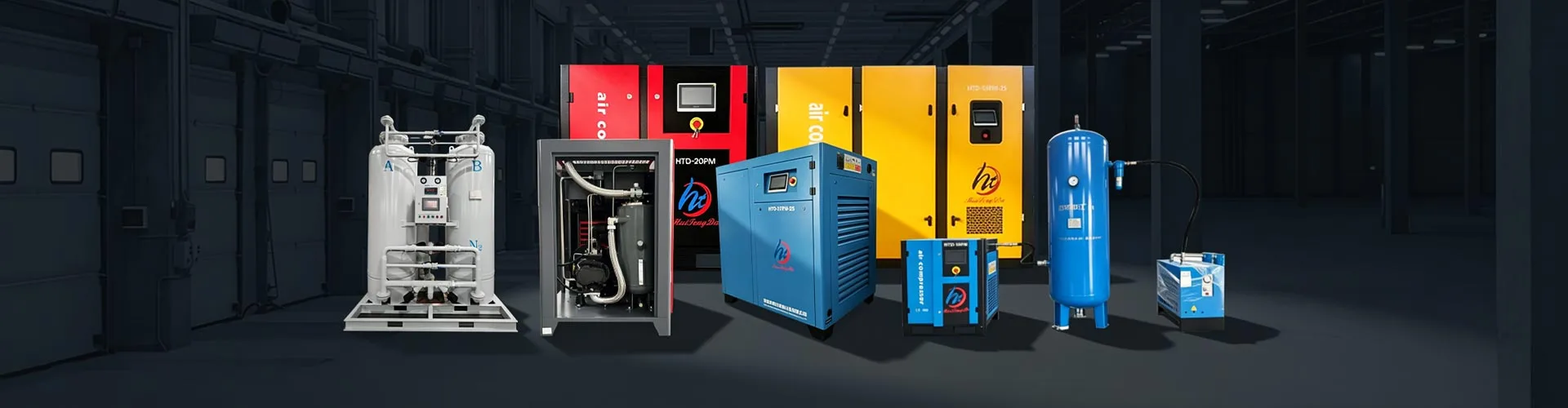
Huitengda is a China-based manufacturer and supplier of PSA nitrogen generators for laser welding. From our production facility in Qingdao, we build these systems to supply high-purity nitrogen as shielding gas for stainless steel, aluminum alloy and battery housing welding, where oxidation and blackening directly affect weld quality and product acceptance. Each unit passes performance testing before delivery, and the skid-integrated design with PLC automatic control provides a continuous on-site alternative to bottled nitrogen.
Product Features
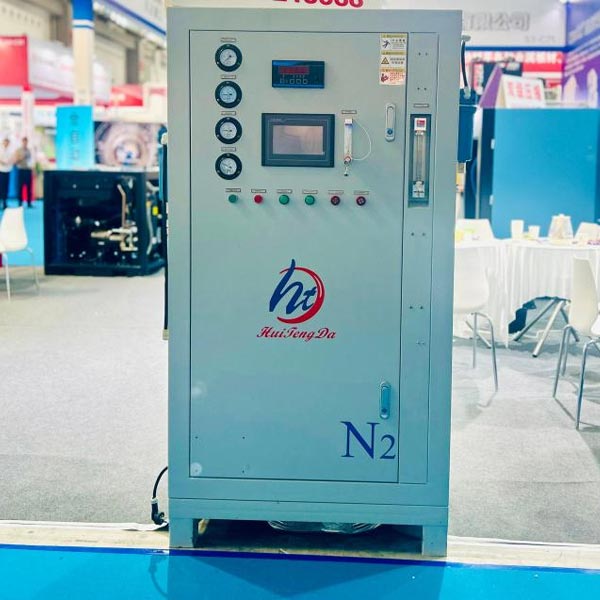
The generator uses pressure swing adsorption with carbon molecular sieve to separate nitrogen from compressed air at purities up to 99.99%. Delivered as a skid-mounted integrated or modular split unit, it operates automatically under PLC control and maintains stable gas output across the welding cycle.
-
Nitrogen purity up to 99.99% (4N), with higher purity configurations for precision welding
-
PSA pressure swing adsorption with carbon molecular sieve adsorbent
-
Skid-mounted integrated or modular split structure
-
Fully automatic PLC operation with stable continuous output
-
Simple maintenance; sieve protection provided by matched filtration and drying
-
Performance-tested before delivery
-
Lower long-term gas cost compared with bottled nitrogen
Applications
These Nitrogen Generators for Laser Welding are used where laser welding requires shielding gas to prevent oxidation and preserve weld appearance:
-
New energy battery shell welding
-
Automotive precision parts
-
Electronic SMT assembly
-
Medical device manufacturing
-
Kitchen hardware and sanitary ware
-
Sheet metal laser fabrication
Technical Specifications
|
Parameter
|
Specification
|
|
Nitrogen purity
|
Up to 99.99% (4N); higher available
|
|
Technology
|
PSA pressure swing adsorption
|
|
Adsorbent
|
Carbon molecular sieve
|
|
Control
|
PLC intelligent automatic control
|
|
Structure
|
Skid-mounted integrated / modular split
|
|
Flow range
|
Multiple specifications; single or multiple welding machines
|
|
Inlet air requirement
|
Dry, oil-free, dust-free compressed air
|
|
Quality assurance
|
Strict performance testing before delivery
|
Configuration Options
Skid-mounted integrated. A single compact skid containing the complete nitrogen generation system. Suited to workshops with limited floor space and to installations where quick commissioning is a priority.
Modular split. Components separated for flexible layout and easier maintenance access. Suited to large production lines, multiple welding stations, or plant rooms where space around the equipment is constrained.
Both configurations are available across multiple flow specifications. Selection depends on the number of laser welding machines, their shielding gas consumption, and the available installation area.
Selection Considerations
Purity. Laser welding typically requires 99.99% (4N) or higher. Precision welding on reactive materials may need higher purity to achieve sufficient anti-oxidation.
Flow and pressure. Confirm total shielding gas consumption across all welding machines, add margin for pressure loss in the distribution piping, and confirm the working pressure at the welding head.
Inlet air quality. The carbon molecular sieve requires dry, oil-free, dust-free compressed air. Oil, moisture or particulate contamination reduces nitrogen purity and shortens sieve life. Matched filters and a refrigerated dryer are required upstream.
Structural layout. Integrated skid for space-limited workshops; modular split for larger lines or maintenance access requirements.
Service and Support
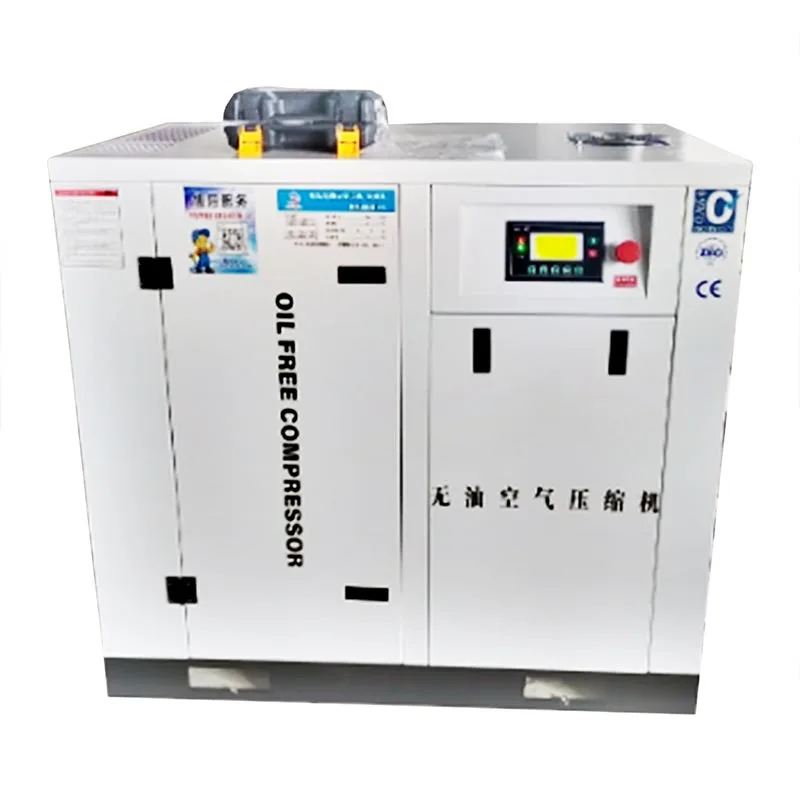
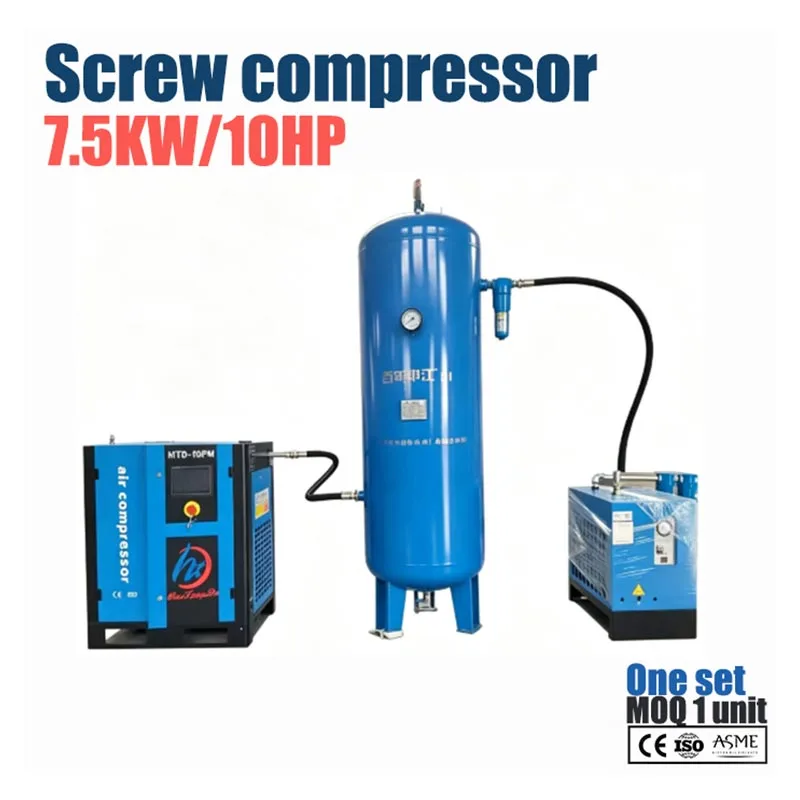
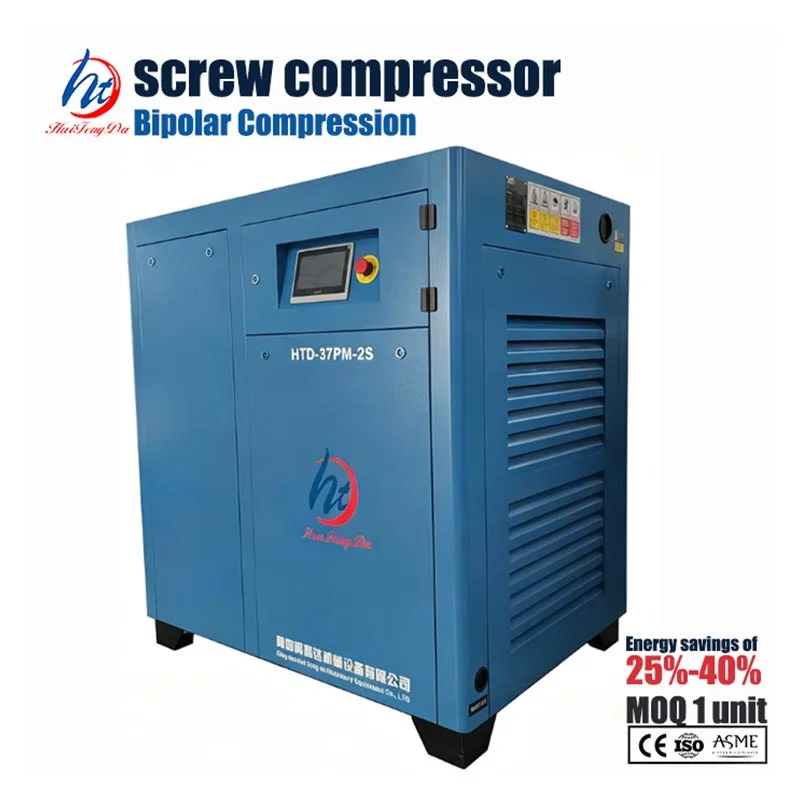
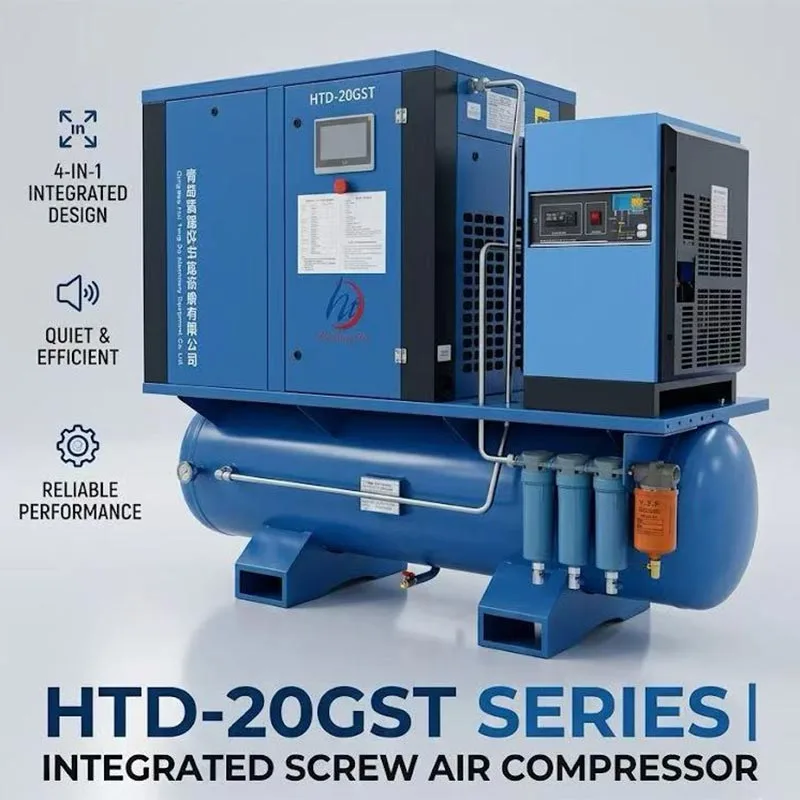
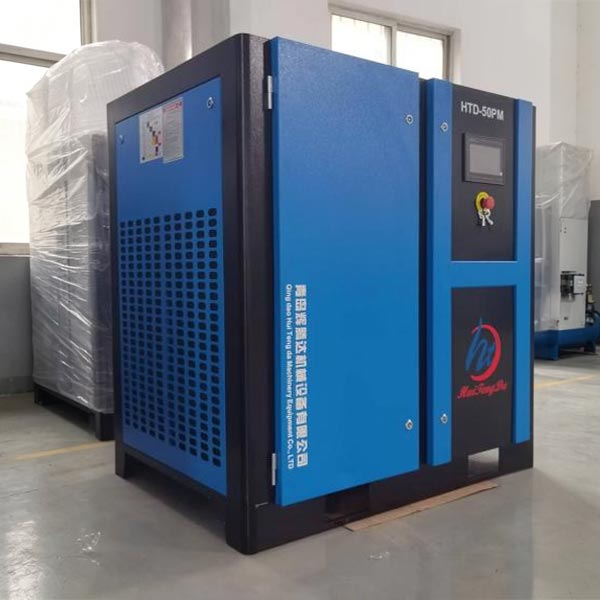
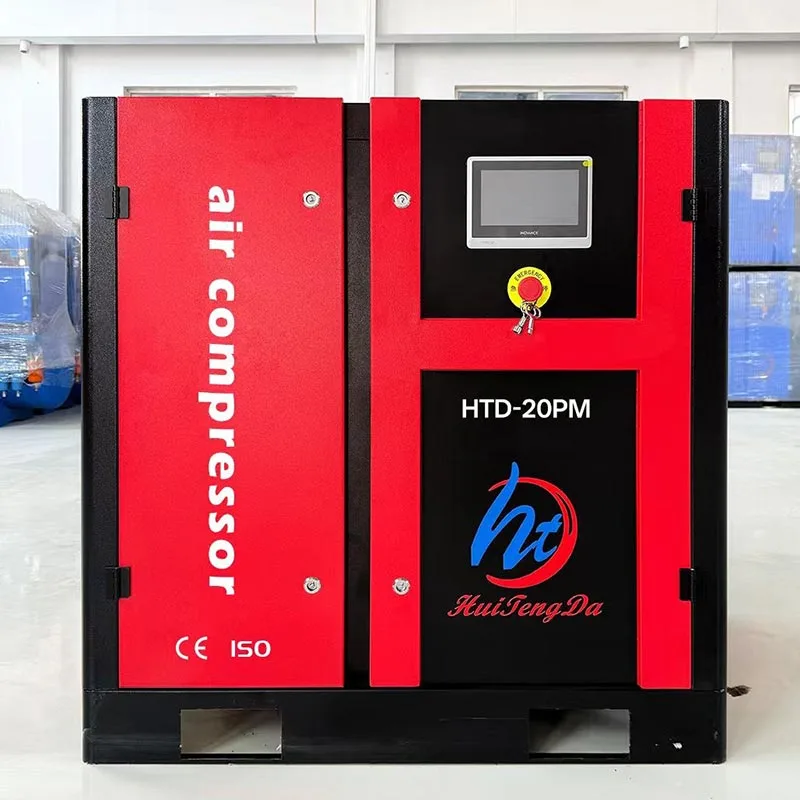
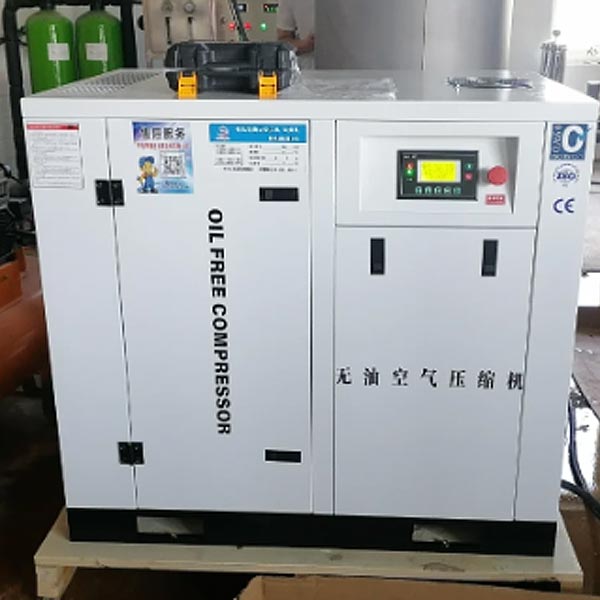
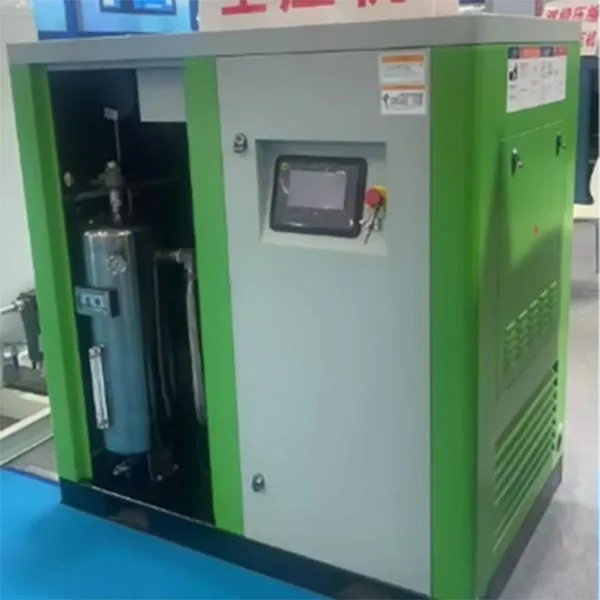
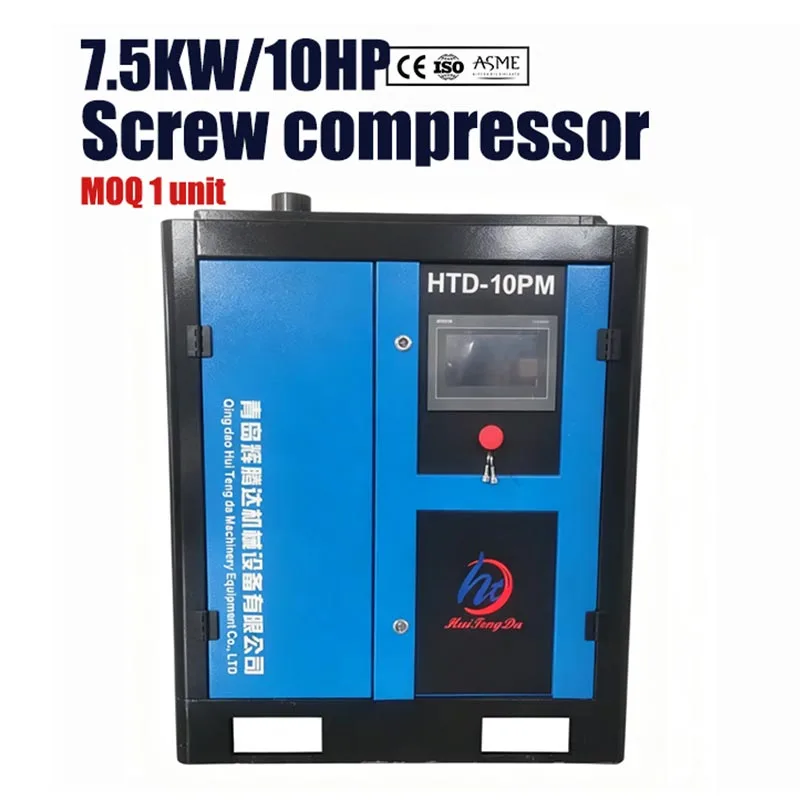
Site surveys, custom gas scheme design, installation, commissioning, operator training and long-term after-sales support are provided for domestic and overseas customers. Supporting equipment including screw air compressors, air receivers, precision filters and refrigerated dryers can be supplied as part of a complete laser welding gas system.
FAQ
What nitrogen purity does laser welding require?
Typically 99.99% (4N) or higher. Precision welding on reactive materials may require higher purity.
What parameters should be confirmed before purchase?
Nitrogen purity, total shielding gas flow rate, working pressure, number of laser welding machines, and daily continuous operating hours.
What is the difference between the integrated and split configurations?
Integrated skid-mounted units save floor space and simplify installation. Modular split units provide flexible layout and easier maintenance access for large production lines.
Why must inlet compressed air be clean and dry?
Oil, water vapor and dust contaminate the carbon molecular sieve, reducing nitrogen purity and shortening the service life of the PSA generator.
What supporting equipment does the complete system require?
Screw air compressor, air receiver, precision filters and refrigerated air dryer.
Which industries use laser welding nitrogen generators?
New energy battery shell welding, automotive precision parts, electronic SMT, medical devices, kitchen hardware and sheet metal laser fabrication.
Can nitrogen be used instead of argon?
Nitrogen is commonly used for stainless steel, aluminum alloy and battery housing welding. The choice between nitrogen, argon or mixed gases depends on the material and weld requirements.
What services are provided?
Site survey, custom gas scheme design, installation, commissioning, technical training and long-term after-sales support.